How Often Should You Schedule Sewer Line Cleaning?
Sewer line problems rarely appear without warning. In most cases, issues such as slow drains, recurring clogs, and backups develop gradually as buildup accumulates inside the pipes. Regular sewer line cleaning is one of the most effective ways to prevent these problems, protect your plumbing system, and avoid costly emergency repairs. But, the question is – how often should you schedule sewer line cleaning?
For property owners in Chicago, IL—where many buildings rely on aging sewer infrastructure—knowing how often to schedule sewer line cleaning is essential. This guide explains recommended cleaning intervals, the factors that influence frequency, and when professional services like hydro jetting or emergency plumbing become necessary.
Why Sewer Line Cleaning Is So Important
Your sewer line is responsible for carrying wastewater away from your property. Over time, grease, debris, mineral buildup, and even tree roots can restrict flow. Without regular maintenance, these issues can lead to backups, pipe damage, and health hazards.
Routine sewer line cleaning helps:
- Prevent recurring drain clogs
- Reduce the risk of sewage backups
- Extend the lifespan of sewer pipes
- Lower the likelihood of emergency sewer repair
- Maintain consistent plumbing performance
Proactive cleaning is far more cost-effective than responding to a major failure.
General Guidelines for Sewer Line Cleaning Frequency
While there is no universal schedule that fits every property, there are general guidelines that apply to most homes and businesses.
Residential Properties
For most single-family homes in Chicago, sewer line cleaning is recommended every 18 to 24 months. This frequency helps manage normal buildup and detect early issues before they become serious. Homes with older plumbing systems, large trees near sewer lines, or frequent drain issues may benefit from annual cleaning.
Multi-Unit and Rental Properties
Properties with multiple occupants place greater demand on sewer systems. For these buildings, sewer line cleaning is often recommended once per year to reduce the risk of backups affecting multiple units.
Commercial Properties
Businesses typically require more frequent maintenance due to higher usage and stricter compliance requirements. Many commercial sewer service plans include sewer line cleaning every 6 to 12 months, depending on the type of business and volume of wastewater.
Factors That Affect How Often You Should Clean Your Sewer Line
Several variables influence how frequently sewer line cleaning should be scheduled.
Age of the Sewer Line
Older sewer lines—especially those made from clay or cast iron—are more prone to cracks, corrosion, and root intrusion. These systems often require more frequent cleaning and inspection.
Tree Roots Near the Sewer Line
Tree roots are a common cause of sewer line blockages in Chicago neighborhoods. Roots naturally seek moisture and can enter pipes through small openings. Properties with nearby trees may need more frequent sewer line cleaning to manage root growth.
History of Drain Problems
If your property experiences recurring clogs, slow drains, or backups, waiting two years between cleanings may not be sufficient. Frequent issues are a sign that buildup is forming quickly or that deeper problems exist.
Volume of Use
Homes with large families and commercial properties with high water usage place more strain on sewer lines. Increased usage accelerates buildup and reduces the time between cleanings.
Signs You Are Overdue for Sewer Line Cleaning
Even if you follow a general schedule, certain warning signs indicate sewer line cleaning should be performed sooner rather than later. Common signs include:
- Slow drains throughout the property
- Frequent clogs in multiple fixtures
- Gurgling sounds from drains or toilets
- Sewage odors inside or outside the building
- Water backing up into floor drains
Ignoring these symptoms can allow minor issues to escalate into emergencies requiring sewer line repair or replacement.
Sewer Line Cleaning vs. Drain Cleaning
While the terms are often used interchangeably, sewer line cleaning and standard drain cleaning address different parts of the plumbing system.
- Drain cleaning services focus on individual fixtures such as sinks, tubs, and floor drains.
- Sewer line cleaning addresses the main line that connects the entire property to the municipal sewer system.
If multiple drains are affected at once, sewer line cleaning is typically required rather than isolated drain cleaning.
When Hydro Jetting Is the Best Option
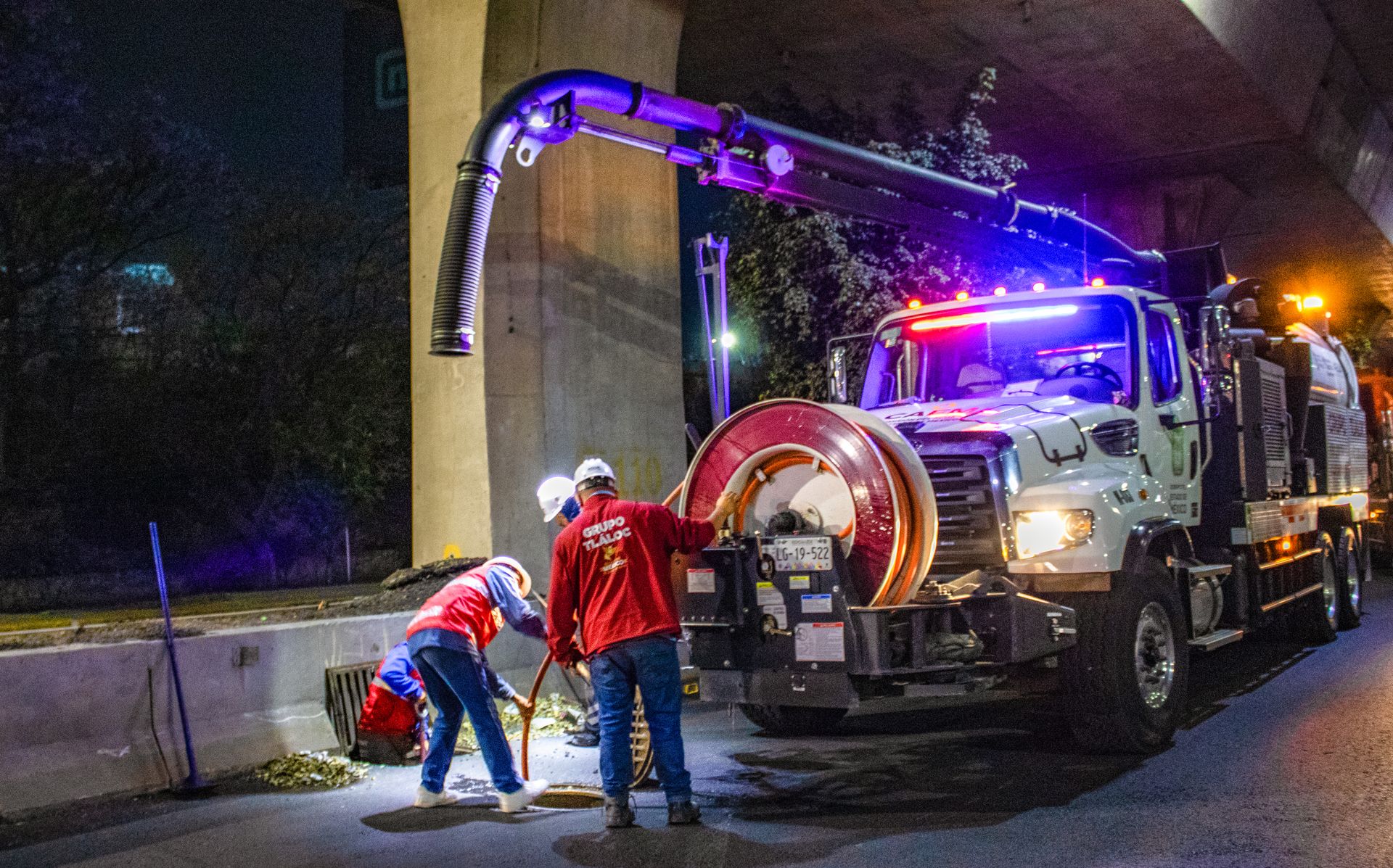
Traditional cleaning methods may not be sufficient for severe buildup or recurring blockages. In these cases, hydro jetting drain cleaning provides a more thorough solution. Hydro jetting plumbing uses high-pressure water to:
- Remove grease and sludge
- Break through tree roots
- Eliminate mineral scaling
- Restore full pipe diameter
Hydro jetting service is especially effective for older sewer lines, commercial properties, and preventive maintenance programs. It is often recommended when standard cleaning methods no longer provide lasting results.
Preventing Emergency Plumbing Situations
One of the main benefits of regular sewer line cleaning is reducing the risk of emergency plumbing situations. Sewer backups can cause extensive property damage, health hazards, and costly cleanup. Emergency plumbing services in Chicago, IL, are typically needed when:
- Sewage backs up into the building
- Multiple fixtures fail simultaneously
- Basement flooding occurs
- Sewer odors become overwhelming
Scheduling sewer line cleaning before these problems arise helps avoid emergency sewer repair and unexpected expenses.
How Sump Pumps and Ejector Pumps Fit Into Sewer Maintenance
For properties with basements or lower-level plumbing, sewer maintenance often overlaps with sump pumps and ejector pumps. These systems help manage groundwater and wastewater, especially during heavy rain.
If sewer lines are restricted, sump pumps and ejector pumps may struggle to keep up, increasing the risk of backups. Regular inspection and sump pump repair ensure these systems work properly alongside a clean sewer line. In some cases, sump pump installation or replacement may be recommended to improve overall drainage protection.
Using Inspections to Set the Right Schedule
Video camera sewer inspections are often used to determine the ideal sewer line cleaning frequency. Inspections allow plumbers to assess buildup levels, pipe condition, and potential problem areas. This information helps tailor a cleaning schedule based on actual conditions rather than guesswork—saving money and preventing unnecessary service calls.
Choosing Professional Sewer Line Cleaning in Chicago, IL
Because sewer line issues are often hidden underground, professional service is essential. Chicago Sewer and Drain Professionals provide sewer line cleaning, drain cleaning, hydro jetting, sewer line repair, and emergency plumbing services in Chicago, IL.
If you are unsure when your sewer line was last cleaned—or if you are experiencing recurring drain problems—it may be time to schedule professional service. Regular sewer line cleaning can prevent major issues and protect your property year-round. Contact us today to schedule sewer line cleaning in Chicago, IL, request hydro jetting service, or speak with a professional plumber about setting up a maintenance plan that fits your home or business.