Why Older Homes Are More Prone to Sewer Line Issues
Older homes have character, charm, and history—but they also come with hidden challenges, especially below ground. In a city like Chicago, IL, many homes were built decades ago using plumbing materials and standards that are no longer used today. Why older homes are more prone to sewer line issues is a question many homeowners ask when they start experiencing slow drains, recurring clogs, or unexpected sewer backups.
Aging Sewer Materials Are a Major Factor
One of the biggest reasons older homes experience sewer line issues is the materials used when they were built. Many Chicago homes still rely on sewer pipes made from clay, cast iron, or early metal materials. These older materials naturally deteriorate over time. Clay pipes are prone to cracking and joint separation, cast iron corrodes from the inside out, and early metal pipes can rust, thin, and collapse. As pipes age, their ability to move wastewater efficiently declines, making clogs and backups far more likely.
Modern sewer lines are designed with durability and flexibility in mind—something older systems simply were not built for.
Tree Roots and Older Sewer Lines
Chicago’s tree-lined neighborhoods are beautiful, but they pose a serious risk to older sewer systems. Tree roots seek moisture, and small cracks or joints in aging pipes provide easy entry points. Once roots enter the sewer line, they:
- Trap debris and waste
- Restrict water flow
- Expand over time, worsening damage
Older sewer lines are especially vulnerable because their joints are less secure and more likely to separate. Root intrusion is one of the most common causes of sewer line repair in older homes.
Decades of Buildup Inside Pipes
Over many years, grease, soap residue, mineral deposits, and debris accumulate inside sewer lines. In older pipes, interior surfaces are often rough or corroded, allowing buildup to cling more easily. This gradual narrowing of the pipe leads to:
- Frequent drain clogs
- Slow drainage throughout the home
- Increased pressure on weakened pipe walls
Professional drain cleaning services can temporarily restore flow, but when buildup returns quickly, it often indicates underlying pipe deterioration.
Shifting Soil and Foundation Movement
Chicago’s soil conditions and seasonal temperature changes contribute to ground movement over time. Freeze-thaw cycles, heavy rainfall, and settling foundations can shift sewer lines that were installed decades ago. Even slight movement can:
- Misalign pipe sections
- Create low spots where waste collects
- Cause cracks or separations
Older sewer lines lack the flexibility of modern piping, making them more prone to damage when the ground shifts.
Outdated Installation Standards
Plumbing codes and installation standards have evolved significantly over the years. Older sewer systems were often installed with:
- Shallow burial depths
- Minimal slope for drainage
- Materials that no longer meet modern standards
These outdated practices increase the likelihood of poor flow, freezing issues, and structural failure—especially during heavy rain or winter conditions.
How Older Homes Experience Sewer Problems First
In many older homes, sewer line issues appear gradually and often start with subtle warning signs. Homeowners may notice slow drains or occasional gurgling long before a full backup occurs. Common early symptoms include:
- Multiple drains draining slowly
- Gurgling sounds from toilets or sinks
- Sewer odors indoors or near drains
Ignoring these signs allows small problems to escalate into emergency sewer repair situations.
Basement Backups Are More Common in Older Homes
Basements are especially vulnerable in older Chicago homes. Sewer lines that are restricted or damaged often back up into the lowest point of the plumbing system first. Basement sewer issues are frequently connected to:
- Aging sewer laterals
- Heavy rain overwhelming municipal systems
- Failing sump pumps or ejector pumps
If basement drains back up repeatedly, sump pump repair or evaluation of ejector pump systems may be necessary alongside sewer line work.
When Drain Cleaning Is No Longer Enough
For older homes, drain cleaning is often the first step in addressing sewer problems. Drain cleaning services remove buildup and improve flow, but they cannot fix structural damage. If slow drains or backups return soon after cleaning, the problem may involve:
- Pipe corrosion
- Cracked or collapsed sections
- Severe root intrusion
In these cases, sewer line repair or sewer line replacement may be required to resolve the issue permanently.
The Role of Hydro Jetting in Older Sewer Systems
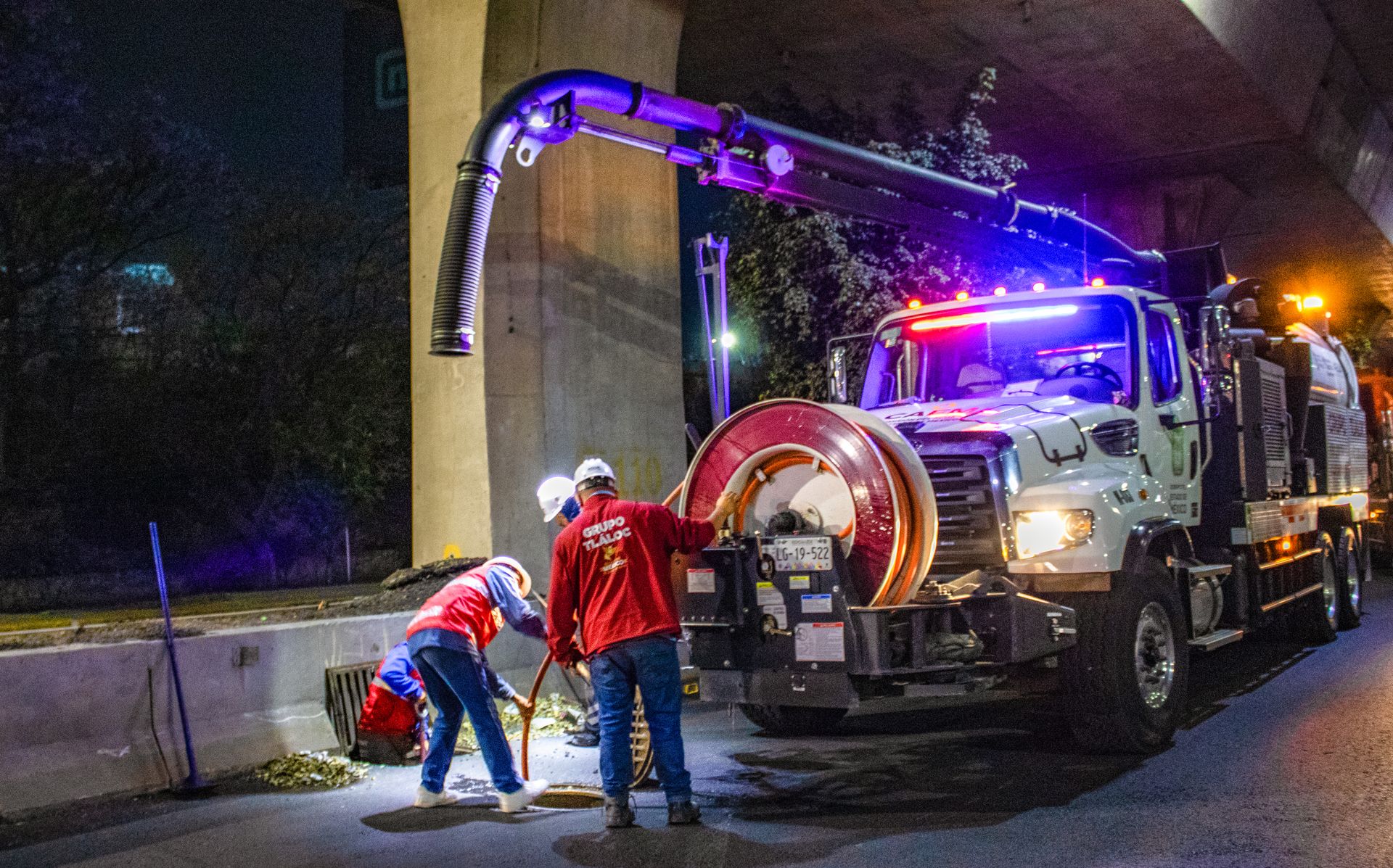
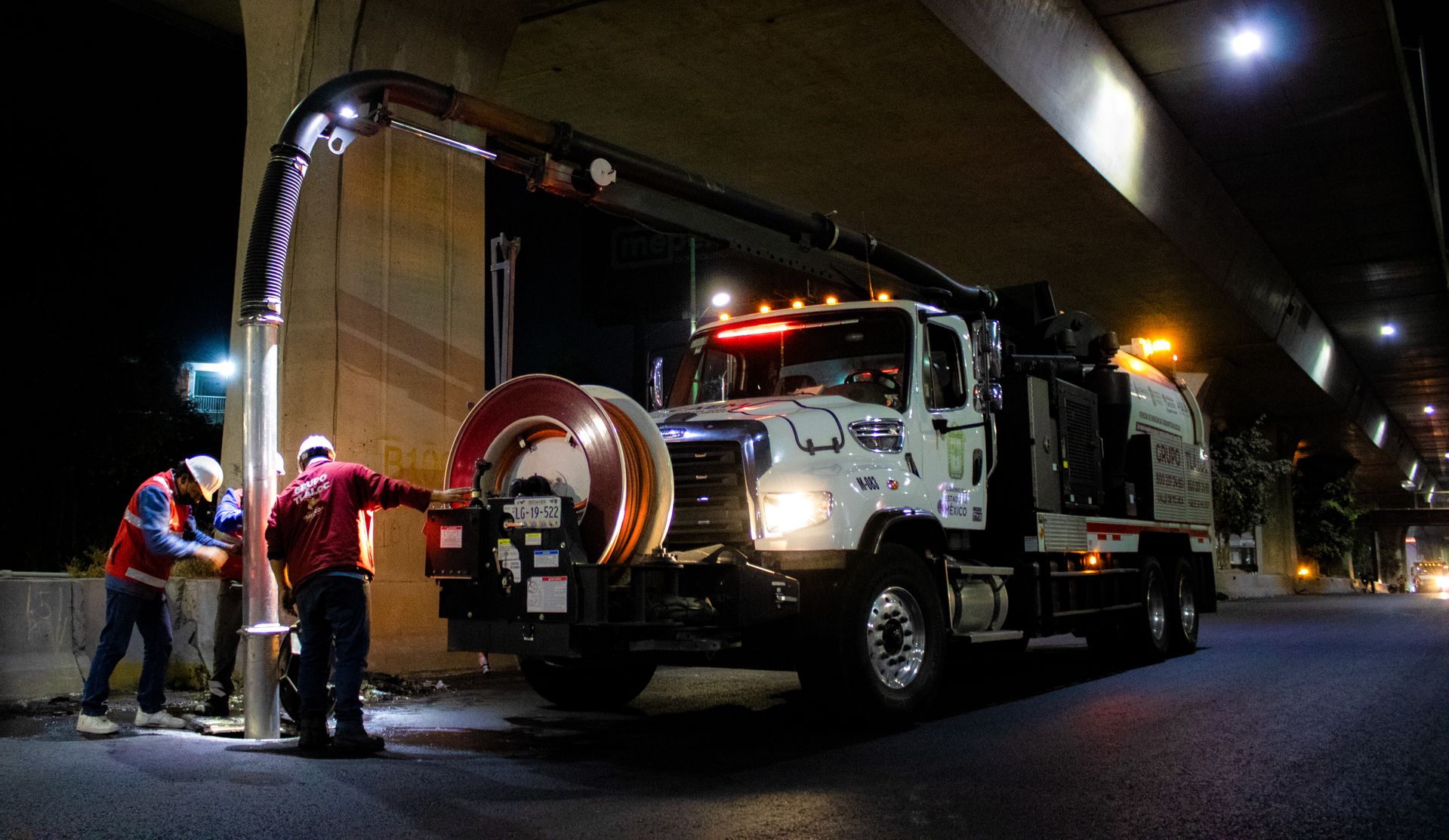
Hydro jetting drain cleaning uses high-pressure water to clean the full interior of the pipe. For older sewer lines that are still structurally intact, hydro jetting plumbing can be an effective way to remove years of buildup and minor root intrusion. Hydro jetting service helps:
- Restore pipe diameter
- Improve wastewater flow
- Delay more invasive repairs
However, hydro jetting is only appropriate when pipes are strong enough to handle the pressure—another reason professional inspection is essential.
Inspections Reveal the Real Condition of Older Pipes
Because sewer lines are buried underground, homeowners often don’t know their condition until problems arise. Video camera sewer inspections allow plumbers to see exactly what’s happening inside older pipes. Inspections can identify:
- Pipe material and age
- Cracks, corrosion, or collapse
- Root intrusion points
- Areas at risk of failure
This information helps determine whether maintenance, repair, or replacement is the safest option.
Older Homes and Emergency Plumbing Risks
Aging sewer systems are more likely to fail unexpectedly, leading to emergency plumbing situations. Collapsed pipes, sudden backups, or burst sections can cause extensive water damage and health risks. Emergency plumbing services are often required when:
- Sewage backs up into living spaces
- Pipes fail during heavy rain
- Basement flooding occurs
Proactive evaluation reduces the likelihood of these emergencies.
Commercial Properties Face Similar Challenges
Older commercial buildings in Chicago face many of the same sewer issues as residential homes—often on a larger scale. Higher usage increases stress on aging sewer lines. Routine commercial sewer service helps identify vulnerabilities early and reduce downtime caused by sewer failures.
Planning Ahead for Sewer Line Replacement
Eventually, all sewer lines reach the end of their service life. For many older homes, sewer line replacement becomes the most reliable long-term solution once repairs become frequent. Replacement offers:
- Reliable wastewater flow
- Reduced maintenance needs
- Lower risk of emergencies
- Improved property value
A professional evaluation helps determine the right timing before failures occur.
Why Older Homes Need Proactive Sewer Care
Older homes require a different approach to sewer maintenance. Waiting for problems to appear often leads to higher costs and greater disruption. Proactive care includes:
- Regular inspections
- Preventive drain cleaning
- Targeted repairs before failure
These steps help extend the life of aging sewer systems and protect your home.
Addressing Sewer Line Issues the Right Way in Chicago, IL
Older homes are more prone to sewer line issues—but that doesn’t mean problems are inevitable. With professional evaluation and the right services, many issues can be managed or prevented altogether. Chicago Sewer and Drain provides professional drain cleaning, hydro jetting, sewer line repair, sewer line replacement, sump pump repair, and emergency plumbing services throughout Chicago, IL.
Protect Your Older Home From Sewer Problems
If you own an older home and are experiencing slow drains, sewer odors, or recurring backups, aging pipes may be the cause. Addressing these issues early can prevent costly emergencies and extensive damage. Contact Chicago Sewer and Drain today to schedule a sewer line inspection. Our experienced team will evaluate your system, explain your options clearly, and help you protect your home from the most common sewer line issues affecting older properties in Chicago.