How to Tell the Difference Between Slow Drains vs. Clogged Drains
Slow drains and clogged drains aren’t always the same problem, and treating them the same way can mean missing a bigger issue until it becomes an emergency. Water pooling around your feet in the shower. A kitchen sink that takes forever to empty. A bathroom sink that gurgles when you brush your teeth. Most homeowners lump these all into one category – “my drain is clogged” and reach for a bottle of chemical drain cleaner or a plunger without thinking twice.
Knowing the difference can help you decide whether it’s a quick fix or time to call in professional drain cleaning services.
What a Slow Drain Actually Means
A slow drain is exactly what it sounds like: water still goes down, just more slowly than it should. It’s frustrating, but it’s rarely an emergency on its own. Slow drains are usually caused by a partial obstruction, something narrowing the pipe without fully blocking it. Common causes include:
- Soap scum and mineral buildup coating the inside of the pipe over time,
- Hair and skin cells tangled near the drain opening, especially in showers and bathroom sinks,
- Grease residue slowly narrowing kitchen pipes,
- Minor debris, like food particles or small objects, sitting partway down the line.
Because water can still pass, a slow drain often gets ignored. But that narrowing rarely reverses on its own. Instead, it tends to get worse as more buildup accumulates, which is exactly how a slow drain turns into a fully clogged one.
What a Clogged Drain Looks Like
A clogged drain is a complete or near-complete blockage. Water doesn’t just move slowly – it may not move at all, or it backs up instead of draining. This is a more urgent situation and usually points to a bigger obstruction than what causes a simple slow drain. Signs of a true clog include:
- Standing water that doesn’t drain even after several minutes,
- Water backing up into a different fixture – for example, running the washing machine causes water to rise in a nearby floor drain,
- Multiple drains affected at once, which often signals a blockage further down the line, closer to the main sewer connection,
- Sewage odors coming from drains, indicating trapped waste with nowhere to go,
- Gurgling that gets progressively louder as pressure builds behind the blockage,
If more than one fixture is affected at the same time, that’s an especially important clue because it usually means the problem isn’t isolated to one pipe, but somewhere in the shared line those fixtures drain into.
Why the Distinction Matters
Treating a full clog like a slow drain – say, ignoring it or relying on a chemical drain cleaner, can make things worse. Chemical cleaners are more effective on minor buildup than on dense blockages, and repeated use can actually damage older pipes, which is common in many Chicago-area homes.
On the other hand, treating a slow drain like a full-blown emergency can mean paying for more service than you actually need. The real value is in accurately diagnosing what’s happening before deciding on a fix, which is where a professional inspection often pays for itself.
When It’s a DIY Fix vs. When to Call a Professional
Handling it yourself usually makes sense when only one fixture is affected, water is still draining (just slowly), and there’s no odor or gurgling coming from other fixtures. If a plunger or a natural solution like baking soda and hot water noticeably improves things, you’ve likely resolved a minor, isolated buildup on your own.
It’s time to call for drain cleaning when the slow drain doesn’t improve after basic at-home attempts, or when the same drain keeps slowing down again within weeks of clearing it. Recurring gurgling, odors, or water backing up elsewhere are also signs that the problem is bigger than a quick fix can handle.
It’s time to call an emergency plumber when multiple drains are backing up at the same time, water or sewage is backing up into your home, you smell sewage anywhere in the house, or water is coming up through floor drains or the lowest fixtures in your home. That last set of signs often points to a problem in the main line rather than an individual fixture, and it’s not something a plunger or store-bought cleaner is going to solve.
How Professionals Diagnose the Difference
When a technician responds to a slow or clogged drain, the first step usually isn’t grabbing a snake but figuring out where the blockage actually is and how severe it is. That often involves a camera inspection to see inside the pipe, followed by a decision on the right method to clear it.
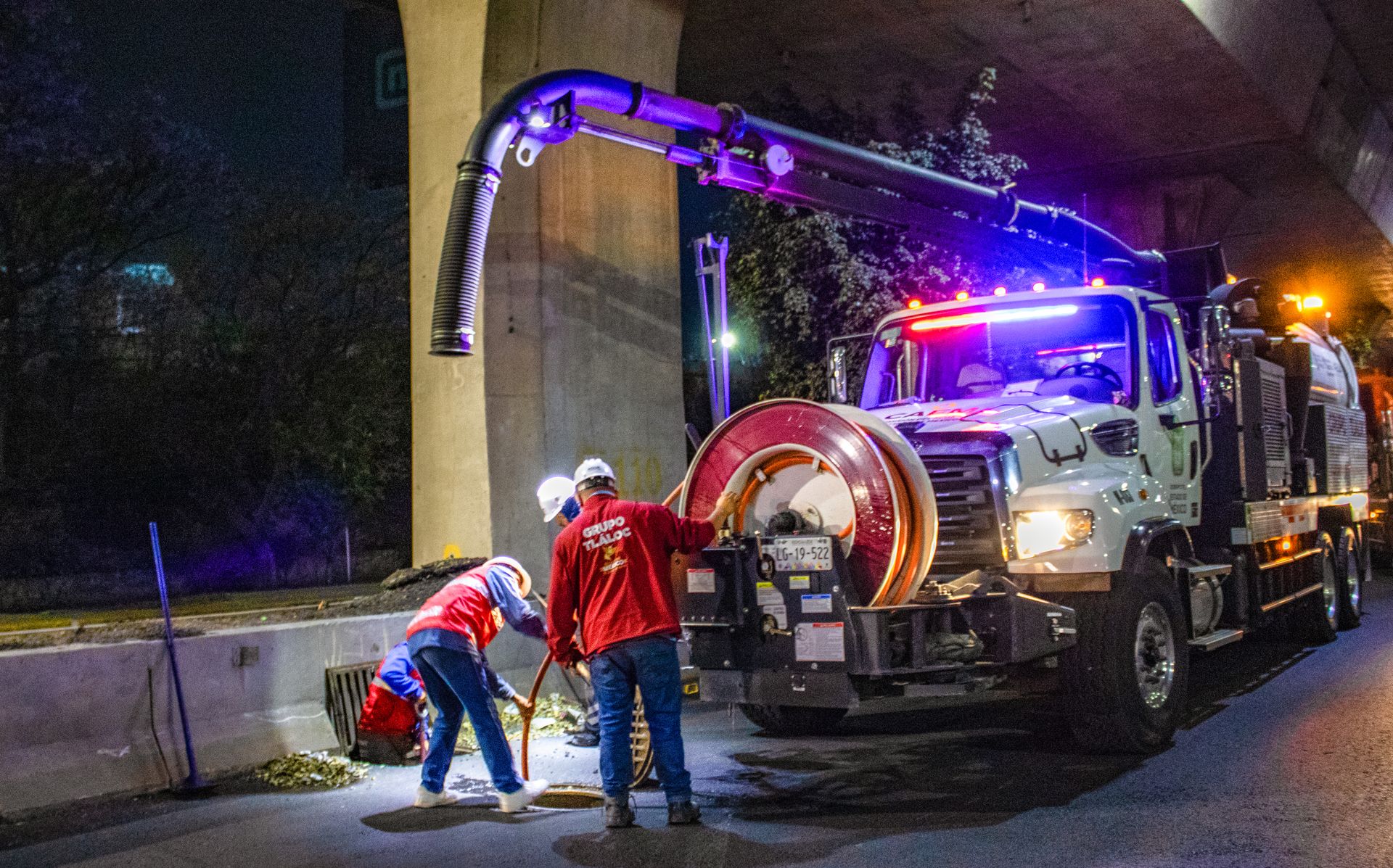
For minor, isolated buildup, a standard drain snake may be all that’s needed. But for pipes with significant grease, scale, or root intrusion, or for drains that keep clogging again and again, hydro jetting is usually the more effective, longer-lasting solution. Hydro jetting uses high-pressure water to scour the entire interior of the pipe, clearing not just the blockage but the buildup that caused it, which helps prevent the same problem from coming right back.
Don’t Wait for a Slow Drain to Become an Emergency
The easiest time to fix a drain problem is while it’s still just a slow drain. Once it progresses to a full clog or worse, a backup affecting multiple fixtures, the fix becomes more urgent, more disruptive, and often more expensive.
Whether it’s one slow-draining sink or a full backup affecting your whole home, the team at Chicago Sewer & Drain Pros can diagnose the problem fast and recommend the right fix, from standard drain cleaning to hydro jetting for stubborn, recurring clogs. If it’s already an emergency, our emergency plumbers are ready to respond any time. Contact us today for a free estimate.