What to Do in the First 10 Minutes of a Sewer Backup Emergency
Sewage backing up into your home is one of those situations where every minute counts. That’s why it’s important to know what to do in the first 10 minutes of a sewer backup emergency. What you do right now determines how much damage gets done, how much the cleanup costs, and how quickly life gets back to normal. Calling an emergency plumber is the most critical step, but there are things you can do right before that call and right after it that genuinely make a difference. Here is exactly what to do.
Stop Using Every Water Fixture in the House Immediately
The moment you realize sewage is backing up, stop all water use in the home right away. Every toilet flush, running faucet, dishwasher cycle, and washing machine load adds more water to a system that is already overwhelmed and has nowhere to send it. That extra water pushes sewage further into your home, increases the volume of contaminated water on your floors, and makes the cleanup significantly more expensive.
Tell everyone in the house immediately. It only takes one person flushing a toilet upstairs to make a bad situation on the basement floor much worse. Do not use any drains at all until the emergency plumber has assessed the situation and confirmed the line is clear. This single step costs nothing and can save you from doubling the damage in the time it takes help to arrive.
Get Everyone Away From the Backed-Up Water
Raw sewage is a serious health hazard. It contains bacteria, viruses, and pathogens that can cause illness through direct contact or even through inhaling the air in a heavily contaminated space. Do not let children or pets anywhere near the affected area. Adults who need to move through the space should avoid touching the water directly and wash their hands thoroughly if any contact occurs. Here is what to do to limit exposure while you wait for help:
- Keep children and pets completely out of the affected area,
- Do not touch sewage water with bare hands under any circumstances,
- Avoid walking through backed-up water if there is any way around it,
- Open windows in the affected area if it is safe to do so to improve ventilation,
- Do not use fans to circulate air, as this can spread airborne contaminants,
- Wash hands immediately and thoroughly if any contact with the water occurs.
Treating the backed-up water as a hazardous material is not an overreaction. It genuinely is one, and protecting your family from exposure is the first priority while you wait for emergency plumbing services to arrive.
Call an Emergency Plumber Right Away
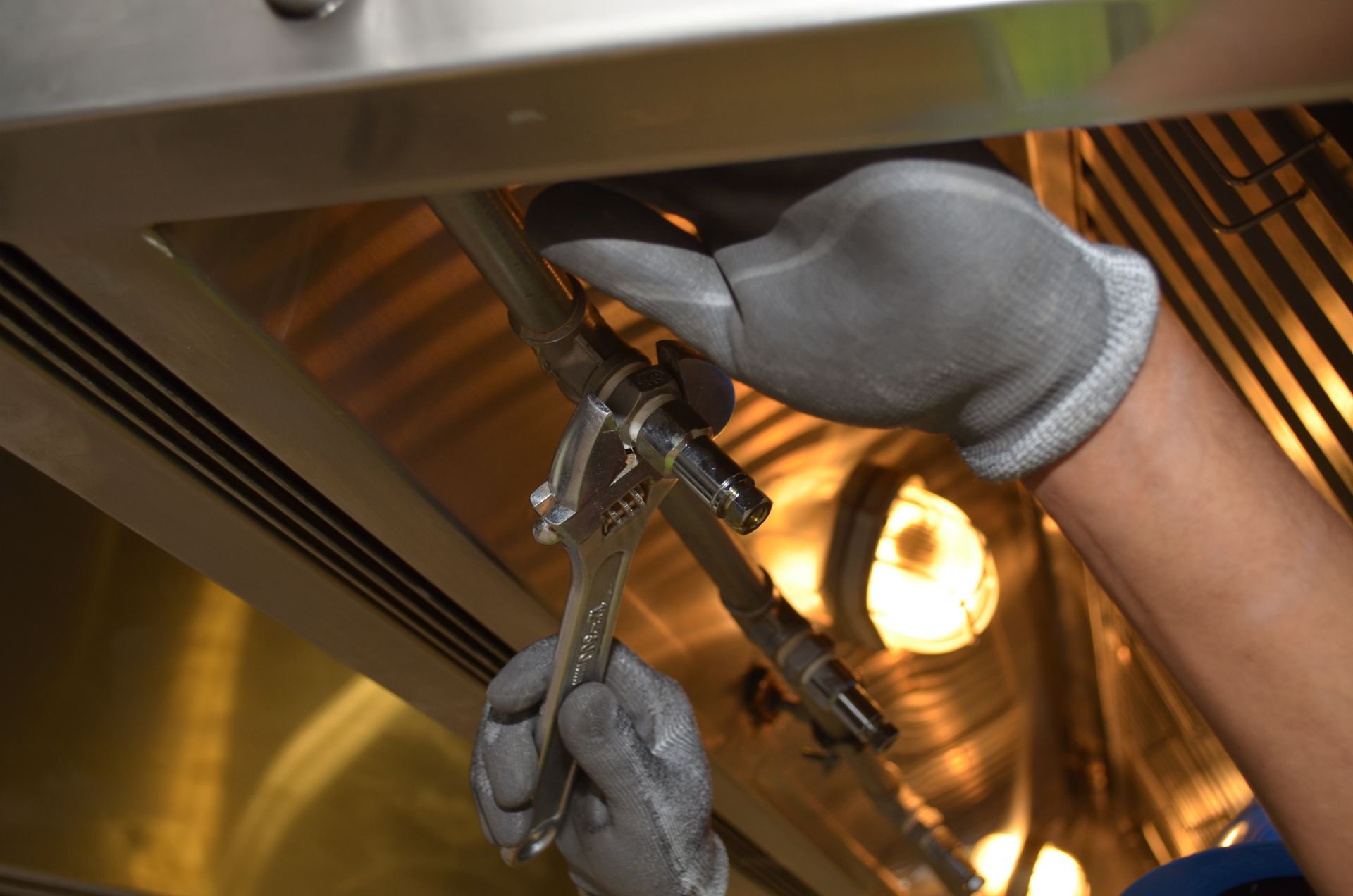
Once everyone is safe and water use is stopped, call an emergency plumber immediately. Do not search through reviews or spend time comparing options. A sewer backup is an active emergency, and the faster a licensed professional gets on site, the more limited the damage stays. Most emergency plumbing services in Chicago offer around-the-clock response and can dispatch a technician quickly once you make the call.
When you call, be ready to give the dispatcher a clear picture of what is happening. Tell them where the backup is occurring, whether it is in one location or multiple fixtures, whether there is sewage water on the floor, and how quickly it happened. That information helps the team come prepared with the right equipment and gives them a head start on diagnosing the likely cause before they even arrive at your door.
Protect Your Belongings if It Is Safe to Do So
If the backup is contained to one area and you can safely move belongings without stepping through contaminated water, do it now. Move boxes, furniture, rugs, and valuables away from the affected area while help is on the way. Items that get saturated with sewage water are almost always a total loss, so every piece you can move in the first few minutes is something you do not have to replace later.
Focus on things closest to the water first and work outward. Do not take risks trying to save things that are already heavily saturated or that would require you to wade through the backup to reach. Your safety matters more than any piece of furniture or stored item. Once the emergency plumber arrives and the situation is under control, there will be time to assess what can be salvaged and what cannot.
Do Not Try to Snake the Drain or Clear It Yourself
It is tempting to grab a plunger or a drain snake and try to fix the problem yourself while waiting for help. Resist that urge. Plunging a backed-up drain during an active sewer backup can force sewage upward through other fixtures in your home, spreading the contamination to areas that were previously unaffected. You are not clearing the clog, but pushing it somewhere else and making the cleanup worse.
The cause of a sewer backup is rarely something a homeowner can fix with the tools available in the house. It could be a collapsed pipe, a severe root intrusion, a full blockage in the main sewer line, or a city sewer issue affecting the entire block. An emergency plumber arrives with a camera inspection system, hydro jetting drain cleaning equipment, and the diagnostic tools needed to identify and fix the actual cause rather than making an educated guess with a plunger.
Document the Damage Before Anything Gets Cleaned Up
Before any cleanup begins, take photos and video of everything. Document the affected area from multiple angles, capture the water level, photograph any damaged belongings, and record the date and time. This documentation is essential for your homeowner’s insurance claim and gives you a clear record of the extent of the damage before anything is moved, dried, or discarded. Here are the key things to document right away:
- Wide shots of the entire affected area showing the extent of the backup,
- Close-up photos of the drain or fixture where the sewage appeared first,
- Photos of all damaged belongings, flooring, walls, and surfaces,
- Any visible cracks, pipe damage, or structural issues you can safely photograph,
- Timestamps on all photos and video to establish a clear timeline.
Good documentation protects you throughout the insurance claims process and ensures you are fairly compensated for the full extent of what the backup caused. Once cleanup starts, the opportunity to capture that evidence is gone.
Emergency Sewer Repair Gets the Line Open and Flowing Again
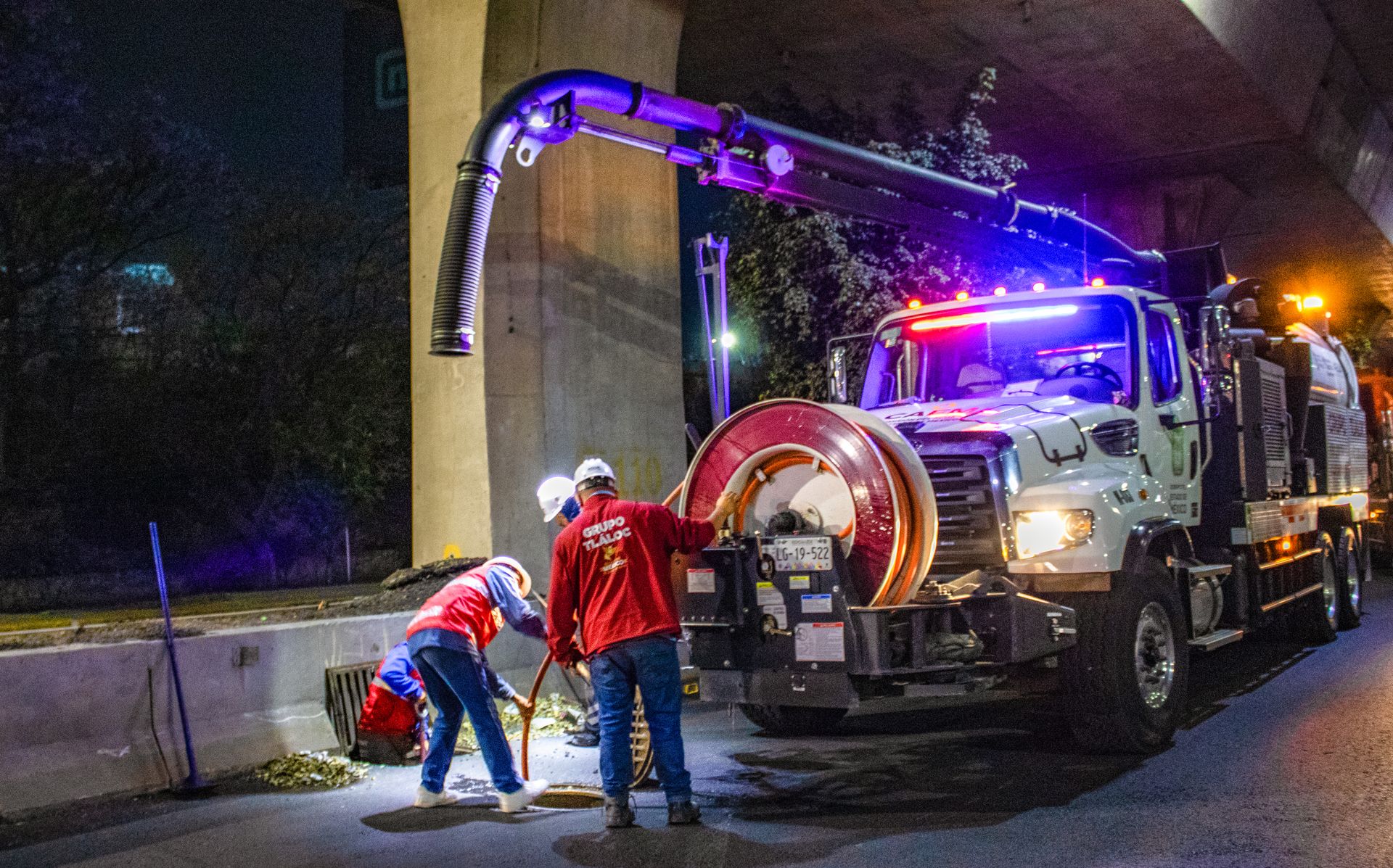
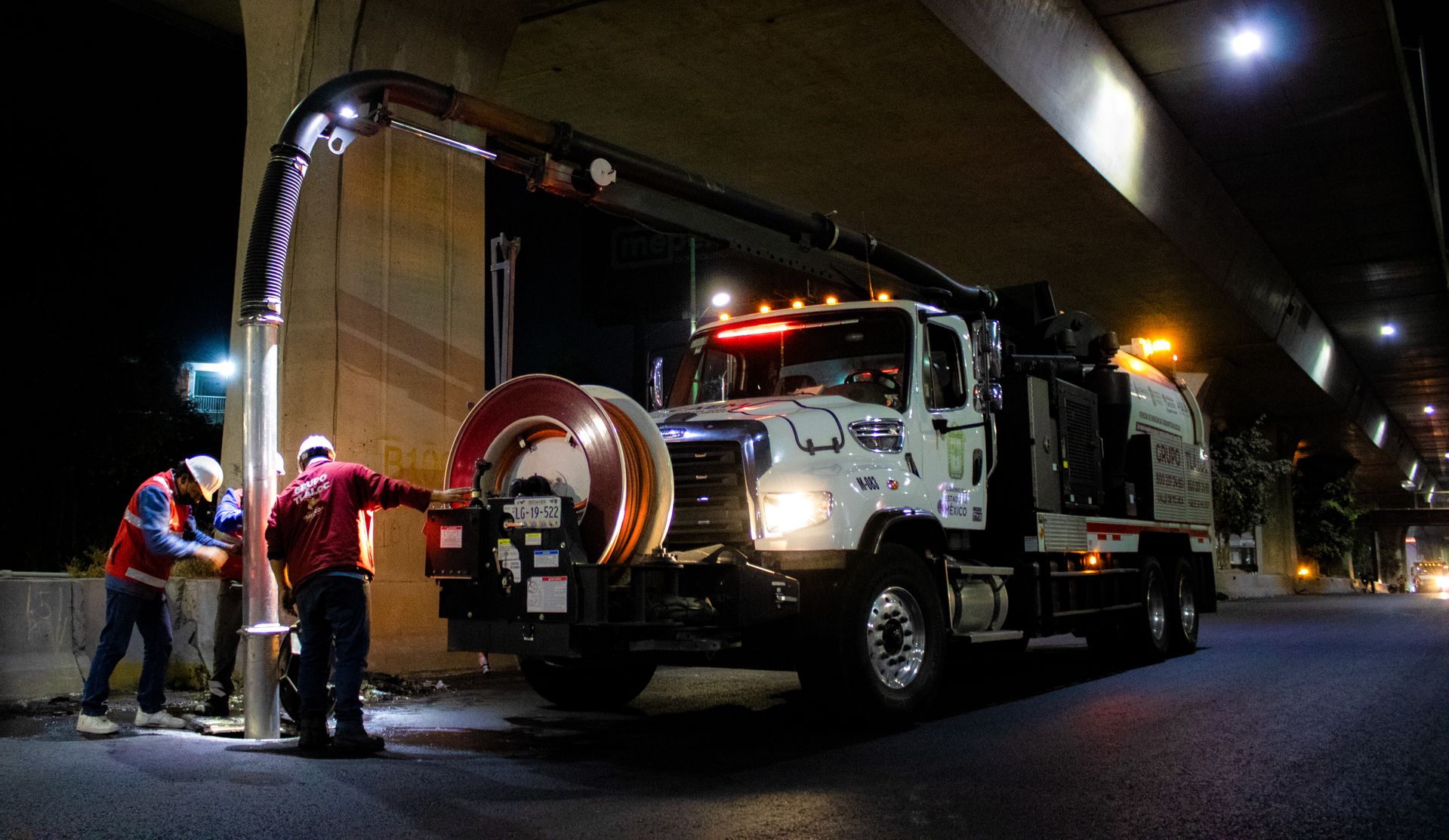
When the emergency plumber arrives, the first priority is identifying what caused the backup and getting the sewer line open. In many cases, a severe blockage from grease buildup, root intrusion, or a collapsed section is the culprit. The technician will run a camera inspection to locate the problem quickly and determine the right fix. Depending on what the camera reveals, hydro jetting service, emergency sewer repair, or a combination of both may be needed to restore function.
Hydro jetting drain cleaning is one of the fastest and most effective tools for clearing a major blockage during an emergency. The high-pressure water cuts through the obstruction and restores flow in a fraction of the time mechanical methods take. If the camera reveals structural damage like a collapsed pipe or a severe offset, emergency sewer repair or sewer line repair work follows immediately to address the root cause and prevent the backup from happening again.
What Happens After the Emergency Is Resolved
Once the plumber has cleared the line and confirmed the sewer system is functioning again, the cleanup process begins. Sewage cleanup is not a standard mop-and-bucket job. It requires proper protective equipment, disinfection of all affected surfaces, disposal of contaminated materials, and in many cases professional water damage remediation to ensure nothing harmful is left behind in walls, floors, or subflooring.
After cleanup is complete, schedule a thorough sewer camera inspection to get a full picture of your system’s condition. An emergency that causes a backup often reveals underlying issues that have been developing for a long time. Drain cleaning services, sewer line repair, or in more serious cases, sewer line replacement may be recommended to make sure the same emergency does not repeat itself a few months down the road.
Fast Action Limits the Damage Every Single Time
A sewer backup is stressful, disruptive, and genuinely unpleasant to deal with. But how quickly and clearly you act in those first ten minutes has a direct impact on how bad the outcome is. Stop the water, protect your family, call for help, document everything, and let the professionals take it from there.
Chicago Sewer & Drain Professionals are available around the clock for sewer backup emergencies throughout the Chicago area. From emergency sewer repair and hydro jetting drain cleaning to full sewer line repair and replacement, our team arrives ready to diagnose and fix the problem fast. Contact us so you don’t have to search for help when every second counts.