Grease Clogs 101 – What Happens When Cooking Oil Goes Down the Drain
Grease clogs are one of the most common and most preventable reasons people need drain cleaning services. Bacon grease. Leftover frying oil. The butter left in the pan after Sunday breakfast. Pouring it down the kitchen sink feels harmless in the moment – it’s liquid, after all, and it disappears the second the water runs. But what happens after it leaves your sink is exactly why so many Chicago homeowners end up calling for emergency plumbing services months later, standing over a backed-up drain wondering what went wrong.
Understanding how they form can save you from a smelly, slow-moving sink or a full-blown sewer backup down the road.
Why Grease Is So Much Worse Than It Looks
When cooking oil, fat, or grease is hot, it pours like water. That’s the trick. The moment it hits the cooler pipes beneath your sink, it starts to change. Fats and oils solidify as they cool, clinging to the interior walls of your pipes the same way they’d harden in a pan left on the counter overnight.
At first, it’s just a thin film. But every time you rinse a greasy pan, wash a dish with butter residue, or dump out leftover fryer oil, another layer builds on top of the last one. Over weeks and months, that buildup narrows the inside of the pipe until it’s carrying a fraction of the water it used to.
Grease doesn’t clog alone, either. It acts like glue, catching coffee grounds, food particles, hair, and soap scum as they pass through. What starts as a thin coating can turn into a dense, waxy blockage that’s nearly impossible to break up with a store-bought drain cleaner.
The Warning Signs Start Small
Grease clogs rarely happen overnight. Instead, they build gradually, which means there’s usually a window of warning signs before things get serious:
- Slow-draining sinks, especially the kitchen sink, even after you run hot water,
- Gurgling sounds coming from the drain or nearby fixtures,
- A foul, rotten odor near the sink or garbage disposal, caused by trapped food and decaying grease,
- Water backing up into the sink on the other side of a double basin when you run the disposal,
- Multiple slow drains at once, a sign the clog may be further down the line, not just under one sink.
If you’re noticing any of these, it’s worth scheduling drain cleaning before the clog fully blocks the line. Catching it early is a lot less disruptive and less expensive than dealing with a backup after the fact.
When Grease Clogs Turn Into Bigger Problems
Left alone, a grease clog doesn’t stay contained under your kitchen sink. As it grows, it can travel further into your home’s plumbing and eventually reach the main sewer line. Combined with grease buildup from other homes in older Chicago neighborhoods, this is one of the reasons municipal sewer systems deal with so-called “fatbergs” – massive, solidified masses of fat and waste that block entire sections of pipe. On the residential side, an untreated grease clog can lead to:
- Complete drain blockage, leaving you unable to use the sink at all,
- Sewage backup into your home, particularly in basements or lower-level bathrooms,
- Pipe damage from the pressure of trapped water and waste pushing against clogged sections,
- The need for emergency sewer repair if the blockage causes a line to crack or back up under pressure.
This is exactly the kind of situation that turns a routine maintenance call into an urgent one. If water is backing up into multiple fixtures, or you’re dealing with sewage odors and standing water, it’s time to call an emergency plumber rather than wait it out.
Why Hydro Jetting Works Where Snaking Doesn’t
Once grease has hardened and built up along the pipe walls, a standard drain snake often isn’t enough. A snake is designed to punch a hole through a clog and restore flow, but it doesn’t necessarily clear the grease coating the rest of the pipe. That means the same clog can come right back within weeks.
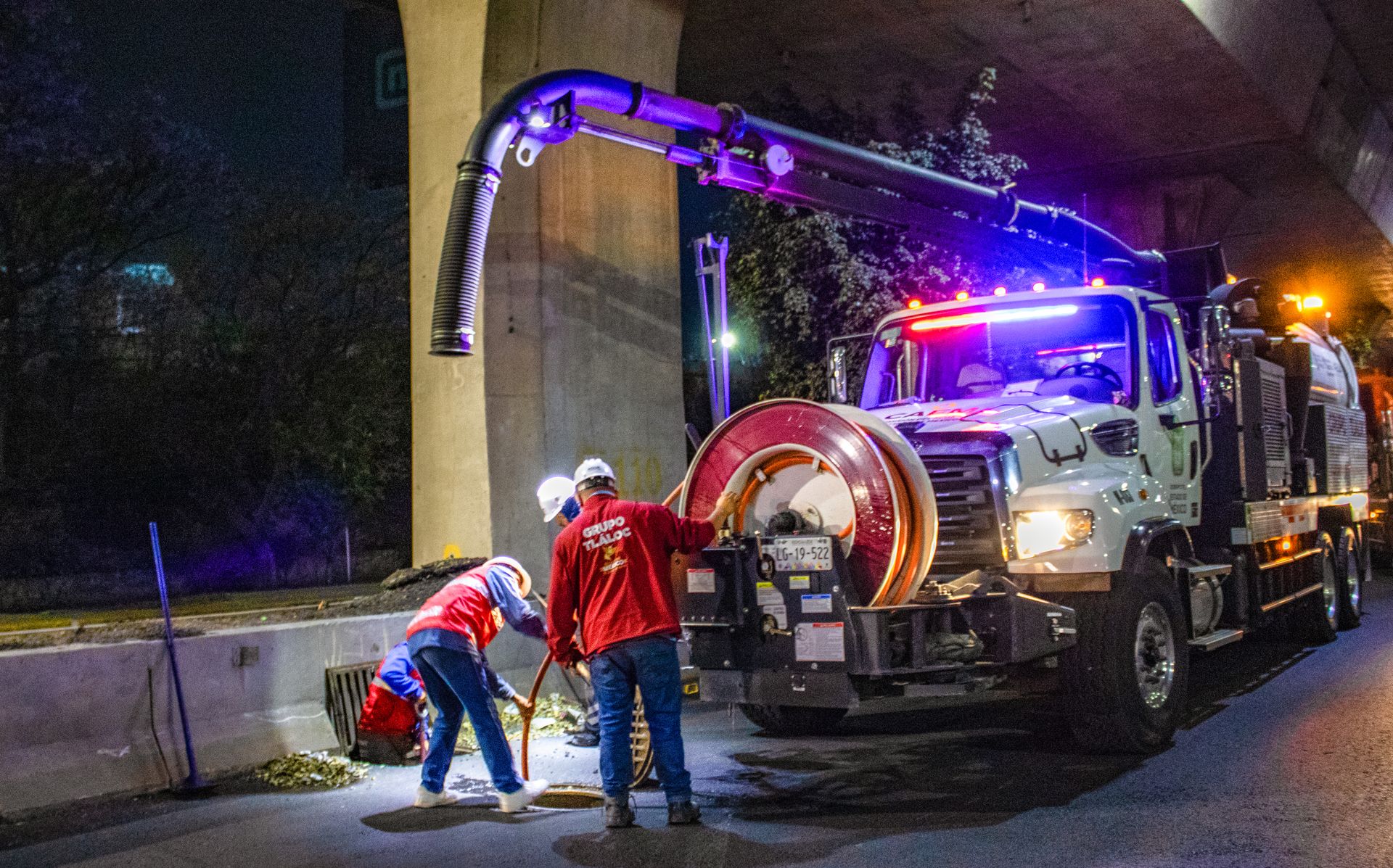
This is where hydro jetting makes the difference. Hydro jetting drain cleaning uses high-pressure water, often in the thousands of PSI, to blast grease, scale, and debris off the entire interior surface of the pipe, not just punch through the middle of the clog. It’s the closest thing to a full reset for your plumbing.
A professional hydro jetting service is particularly effective for grease because it doesn’t just clear the immediate blockage. In fact, it strips the residue that would otherwise catch new debris and start the buildup process all over again. For homes with a history of recurring kitchen drain clogs, hydro jetting plumbing is often the longer-lasting fix compared to repeated snaking.
How to Keep Grease Out of Your Pipes
The good news is that grease clogs are largely preventable with a few small habit changes:
- Never pour hot grease or oil down the drain. Let it cool and solidify, then scrape it into the trash.
- Wipe greasy pans and dishes with a paper towel before washing them, so less fat ever reaches the pipes.
- Avoid relying on hot water to “flush” grease away. It may push the grease further down the line before it re-solidifies, rather than actually eliminating it.
- Keep a designated grease container under the sink for cooking oil and bacon fat disposal.
- Schedule periodic professional drain cleaning, especially if your household cooks frequently with oil or fat.
When to Call in a Professional
If your kitchen sink is draining slowly, gurgling, or smells off, don’t wait for it to turn into a full backup. A trained technician can inspect the line, determine how much buildup has accumulated, and recommend whether standard drain cleaning or hydro jetting is the right call.
And if a clog has already turned into standing water, sewage odors, or backups in other parts of your home, that’s a sign it’s time for emergency plumbing and not a DIY fix. Acting quickly can be the difference between a simple cleaning and a costly sewer line repair.
Grease clogs are one of the easiest plumbing problems to prevent and one of the messiest to ignore. A few small changes in the kitchen, paired with routine professional maintenance, can keep your drains running clear for years to come.
Ready to Get Your Drains Flowing Again?
Dealing with slow drains or a kitchen sink that just won’t clear? Don’t wait for a small clog to turn into a sewage backup. The team at Chicago Sewer & Drain Pros offers fast, reliable drain cleaning and hydro jetting service to get your pipes flowing again, and if it’s already an emergency, our emergency plumbers are ready to respond. You can contact us today for a free estimate and let us take care of the mess so you don’t have to.