How Corrosion Affects Different Types of Sewer Pipes
Your sewer pipes are tough, but they are not invincible. Understanding how corrosion affects different types of sewer pipes can help homeowners recognize potential problems before they turn into major repairs. Corrosion is one of the leading reasons Chicago homeowners end up needing sewer line repair. It works slowly and silently, breaking down pipe walls from the inside out until the damage becomes impossible to ignore.
The type of pipe material in your home plays a major role in how quickly corrosion develops and what kind of issues it creates. Here is a straightforward look at how different sewer pipes hold up over time.
Cast Iron Pipes Corrode From the Inside Out
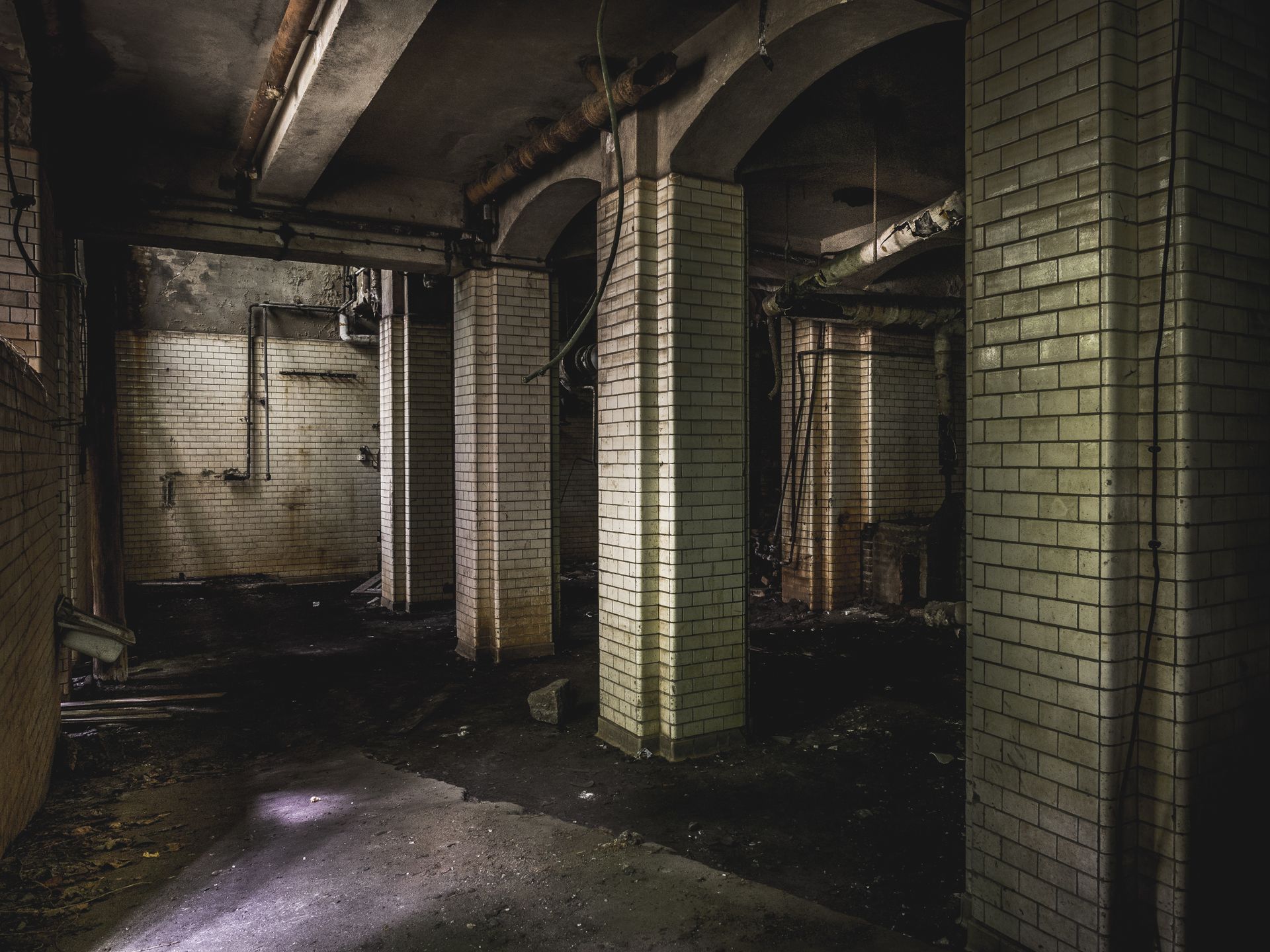
Cast iron was the go-to material for sewer pipes in Chicago for most of the 20th century. It is strong, durable, and long-lasting under the right conditions. The problem is that cast iron is highly susceptible to a process called hydrogen sulfide corrosion. As sewage moves through the pipe, it releases gases that react with moisture on the pipe walls and slowly eat away at the metal from the inside.
Over decades, this process creates rough, pitted surfaces that catch debris and grease far more easily than a smooth pipe would. That means more frequent clogs, slower drainage, and eventually cracks or complete pipe failure. Many Chicago homes built before the 1970s still have original cast iron sewer lines, and if yours is one of them, a professional inspection is overdue.
Clay Tile Pipes Crumble Long Before Anyone Notices
Clay tile sewer pipes are even older than cast iron in many Chicago neighborhoods. They were a popular choice through the early and mid-1900s because clay is naturally resistant to chemical corrosion from sewage. However, clay has a different kind of weakness. It is brittle, and the joints between sections are sealed with mortar that deteriorates over time, leaving gaps that let in tree roots, soil, and groundwater.
While clay itself does not rust or corrode the way metal does, it is still vulnerable to physical breakdown. Shifting soil, freeze and thaw cycles, and decades of use cause clay pipes to crack, collapse, and crumble at the joints.
Sewer Line Repair Addresses Corrosion Before It Spreads
Catching corrosion-related damage early is the difference between a straightforward sewer line repair and a much larger project. Modern trenchless repair methods make it possible to fix corroded or damaged sections without digging up your entire yard. Pipe lining is one of the most popular approaches. A flexible liner coated with resin is inserted into the damaged pipe, then inflated and cured in place to create a smooth, durable new surface inside the old one.
This method works especially well for cast iron pipes that have developed rough interiors or isolated cracks from corrosion. It seals off the damaged areas, restores flow capacity, and adds years of life to a pipe that would otherwise need full replacement.
PVC Pipes Are Not Immune to Damage Either
PVC became the standard material for new sewer installations from the 1980s onward, largely because it does not corrode the way metal or clay does. It is smooth, lightweight, and highly resistant to most chemicals found in household sewage. For most homeowners with newer plumbing, PVC sewer lines are the low-maintenance option that cast iron and clay simply never were.
That said, PVC is not completely problem-free. It can crack under heavy physical pressure, degrade when exposed to certain industrial chemicals, and become brittle in extreme cold. Tree roots can also work their way into PVC joints over time, especially if the original installation left any gaps.
Hydro Jetting Drain Cleaning Tackles Corrosion Buildup Directly
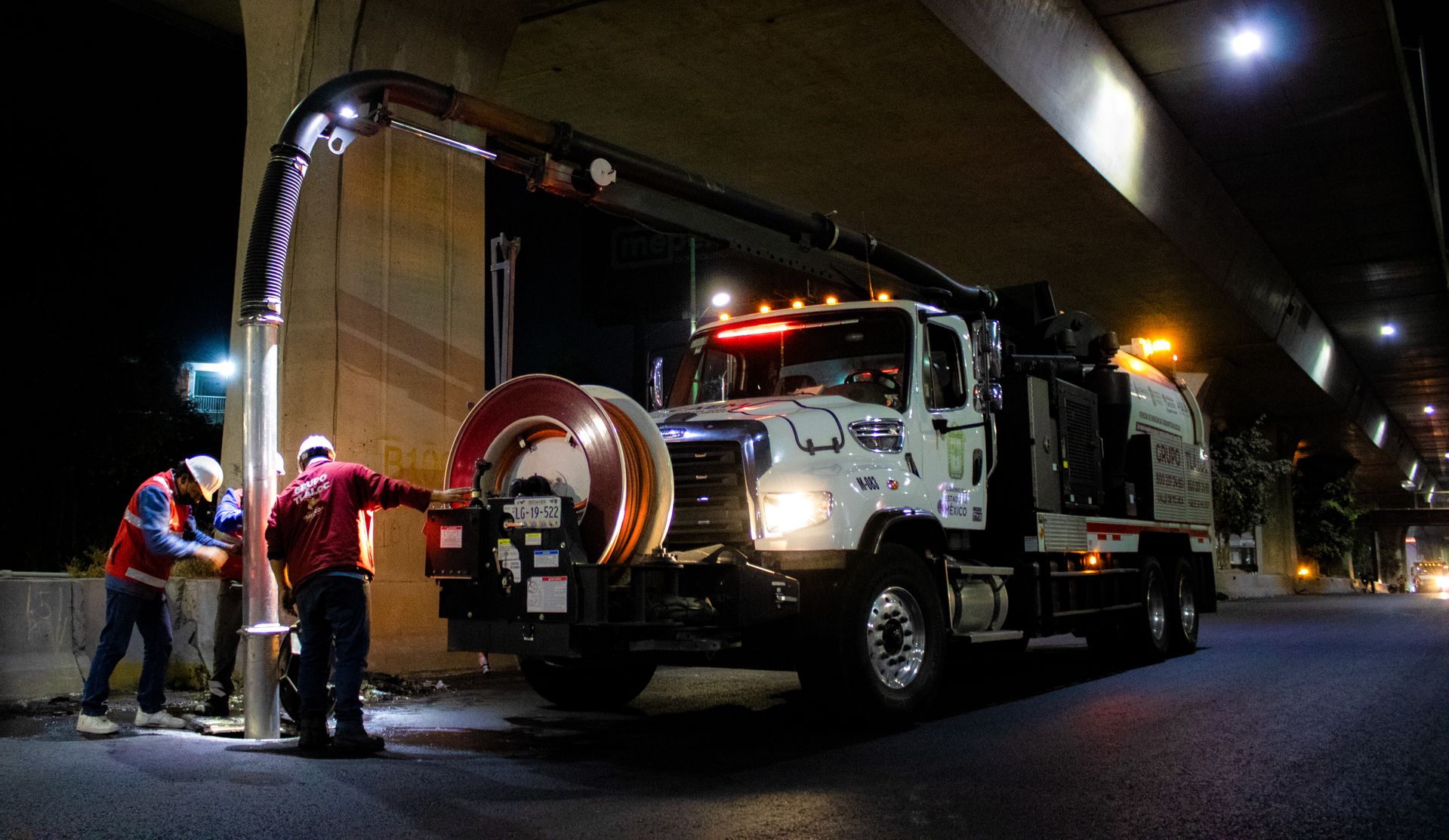
One of the side effects of corrosion in cast iron pipes is that the rough, damaged interior walls trap grease, sludge, and debris far more aggressively than a clean pipe would. Over time, this buildup narrows the pipe and creates recurring clogs that simple snaking cannot fully resolve. Hydro jetting drain cleaning is the most effective solution for restoring flow in a corroded line without requiring immediate replacement.
A professional hydro jetting service uses highly pressurized water to blast through years of accumulated buildup and scour the pipe walls clean. Hydro jetting plumbing is a particularly smart step before any repair or lining job, since a clean pipe gives the technician the clearest possible view of where the corrosion damage is most severe.
These Warning Signs Point to Corrosion in Your Pipes
Corrosion rarely announces itself dramatically. It tends to show up as a collection of smaller, easy-to-dismiss symptoms that gradually get worse. Knowing what to watch for helps you catch the problem while repair is still a realistic option. Here are the most common signs that corrosion may be affecting your sewer pipes:
- Slow drains that get progressively worse over several months,
- Discolored water or rust stains appearing around drains and fixtures,
- Recurring clogs in the same drain or multiple drains at once,
- Sewage odors inside the home that do not go away with cleaning,
- Unusually wet or sunken patches of lawn above the sewer line path,
- Visible rust, staining, or flaking on any exposed pipe sections.
If any of these sound familiar, do not brush them off.
Emergency Plumbing Steps In When Corrosion Causes a Crisis
When a corroded pipe finally gives out, it rarely happens at a convenient time. A collapsed section or a sudden sewage backup caused by a pipe that has been silently deteriorating for years is a situation that calls for an emergency plumber immediately. Delaying the call even by a few hours can turn a containable problem into a much more damaging one. And Chicago Sewer & Drain Professionals offer emergency plumbing services 24 hours a day for situations exactly like this.
Old Pipes and Corrosion Are a Problem You Can Get Ahead Of
Corrosion is one of those problems that rewards the homeowners who take it seriously early and punishes the ones who wait. Whether your home has cast iron, clay tile, or PVC pipes, understanding how your system ages and scheduling regular inspections is the smartest thing you can do to protect your investment.Chicago Sewer & Drain Professionals specialize in everything from routine drain cleaning services and camera inspections to full sewer line replacement for heavily corroded systems. If your home is older or you have noticed any of the warning signs above, reach out to our team today. A quick inspection now is far easier to deal with than an emergency repair later.