How Grease Buildup Slowly Destroys Your Pipes
Grease buildup is one of the most common—and most preventable—causes of plumbing damage in Chicago. While pouring cooking oil or rinsing greasy pans down the sink may seem harmless, grease does not simply wash away. Instead, it cools, solidifies, and sticks to the interior walls of your pipes. Over time, this buildup narrows the drain line, restricts wastewater flow, and increases pressure throughout the plumbing system. What begins as a slow kitchen drain can gradually evolve into recurring clogs, sewer backups, or even the need for sewer line repair. Understanding how grease buildup slowly destroys your pipes helps prevent costly emergency plumbing situations and long-term structural damage.
Why Grease Is So Damaging to Pipes
Hot grease may appear liquid when it enters the drain, but as it cools inside the pipe, it thickens and adheres to the pipe walls. Unlike water-soluble substances, grease bonds with soap residue, food particles, and mineral deposits. This creates a dense, sticky lining inside the drain.
In older Chicago homes and commercial buildings—especially those with cast iron or aging metal pipes—grease attaches more easily to rough or corroded surfaces. Over time, the interior diameter of the pipe shrinks, reducing its ability to carry wastewater efficiently. This restriction increases internal pressure and makes the plumbing system more vulnerable during heavy usage or storms.
How Grease Buildup Progresses Over Time
Grease-related pipe damage rarely happens overnight. It develops in stages, often without obvious warning at first.
- Minor residue formation: Thin layers of grease coat the pipe interior.
- Flow restriction: Buildup thickens, narrowing the pipe and slowing drainage.
- Recurring clogs: Food debris becomes trapped in the grease lining.
- Sewer line stress: Increased pressure weakens joints and older pipe materials.
- Backup or structural damage: Wastewater can no longer pass freely, leading to overflow or pipe deterioration.
By the time multiple drains begin to slow down, the grease may have reached the main sewer line.
Warning Signs of Grease-Related Sewer Problems
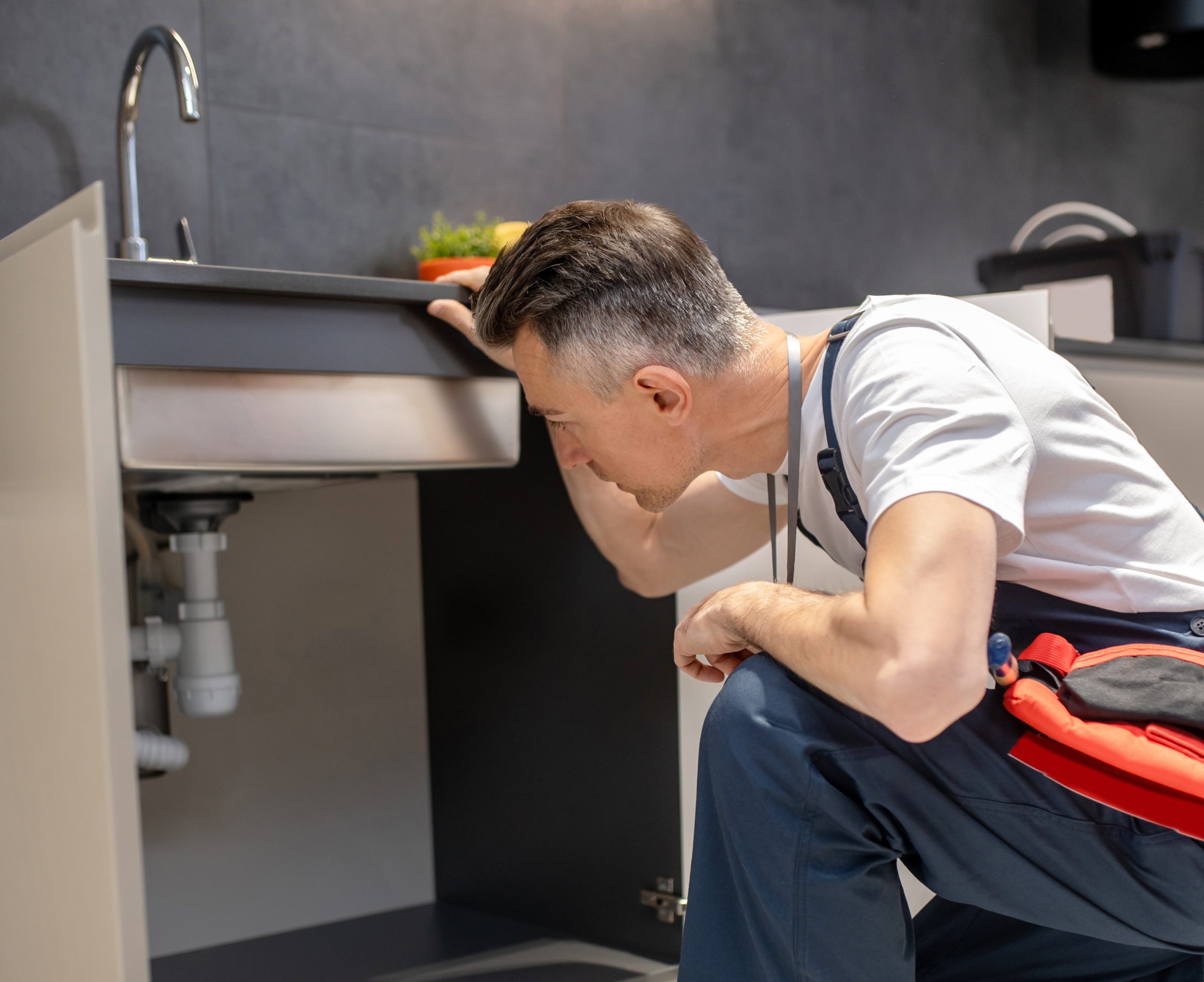
Because grease buildup accumulates gradually, many property owners ignore early symptoms. However, several warning signs suggest the problem may be deeper than a simple clog:
- Slow drainage in kitchen sinks
- Gurgling sounds in nearby drains
- Foul odors coming from sink or floor drains
- Repeated clogs despite using store-bought cleaners
- Water backing up during heavy usage
If these symptoms appear consistently, professional drain cleaning services in Chicago, IL, are often required to fully restore proper flow.
Why Chemical Cleaners Make the Problem Worse
Many people attempt to clear grease clogs using chemical drain cleaners. While these products may temporarily break through soft buildup, they rarely remove hardened grease lining the pipe walls. Worse, the corrosive ingredients can damage aging pipes, accelerating corrosion and increasing the risk of cracks.
In Chicago properties with older plumbing systems, repeated chemical use can lead to pipe deterioration that eventually requires sewer line repair or even sewer line replacement. Professional drain cleaning provides a safer and more effective solution.
How Hydro Jetting Removes Grease Safely
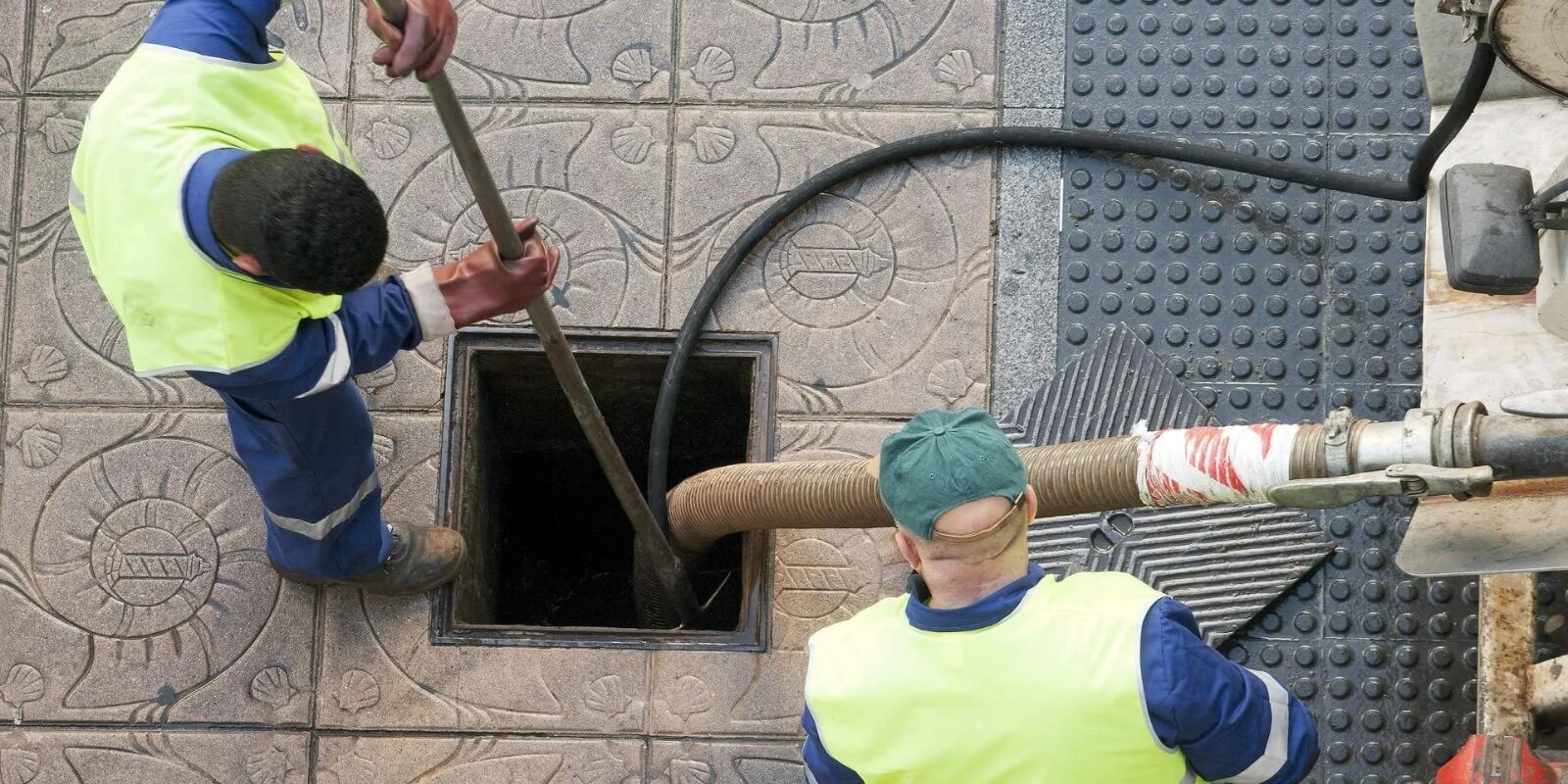
For heavy grease accumulation, hydro jetting drain cleaning is often the most effective method. Hydro jetting plumbing uses high-pressure water streams to scour the interior of the pipe, removing grease, sludge, and mineral deposits without causing chemical damage.
Unlike traditional snaking methods that punch a small hole through a clog, a hydro jetting service cleans the entire pipe diameter. This restores near-original flow capacity and significantly reduces the likelihood of recurring blockages. Hydro jetting is especially beneficial for:
- Restaurant kitchen lines
- Commercial drain systems
- Long-term grease buildup in older homes
- Preventive maintenance programs
When performed by trained professionals, hydro jetting can extend the life of your sewer system and reduce emergency risks.
Grease and Emergency Plumbing Situations
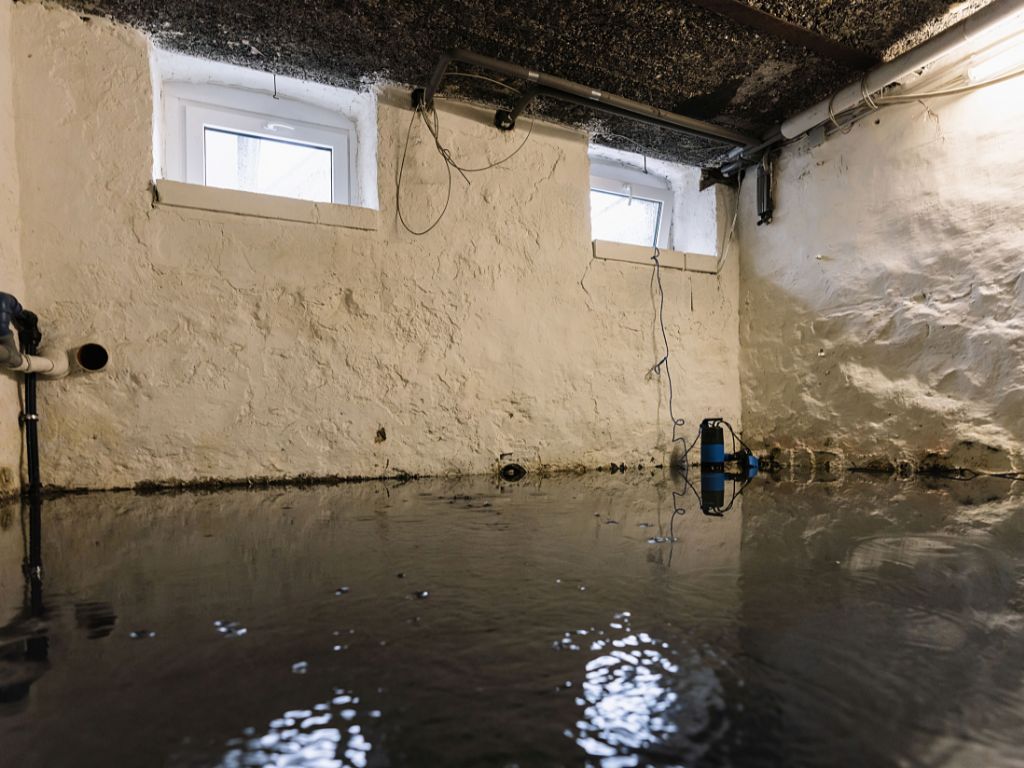
If grease buildup goes untreated, it can eventually block the main sewer line. When wastewater has nowhere to go, it may back up into sinks, tubs, or basement floor drains. This often requires immediate emergency plumbing services. You may need an emergency plumber if:
- Multiple fixtures back up at the same time
- Sewage enters the basement
- Drains overflow during routine water use
- Strong sewer odors appear suddenly
Emergency sewer repair becomes necessary when grease-related pressure causes pipe joints to separate or weak sections to collapse.
Impact on Basements and Sump Systems
In many Chicago buildings, the basement is the first place sewer problems appear. Floor drains are the lowest point in the system, making them especially vulnerable when grease restricts the sewer line. When wastewater cannot exit efficiently, sump pumps & ejector pumps may struggle to keep up. If backups occur repeatedly, sump pump repair or sump pump replacement may be needed in addition to clearing the sewer line.
For properties without proper flood protection, sump pump installation can provide added security against basement flooding—especially during heavy rain events when sewer systems are already under stress.
Commercial Properties and Grease Risks
Restaurants and food-service businesses face elevated risk due to constant grease discharge. Even with grease traps in place, residual fats and oils can accumulate downstream in the sewer line.
Routine commercial sewer service is essential for preventing blockages that disrupt operations. Business owners searching for a commercial plumber near me often discover that preventive hydro jetting service is far more cost-effective than dealing with emergency plumbing services during peak business hours. Proactive maintenance protects inventory, equipment, and health compliance standards.
When Sewer Line Repair or Replacement Is Necessary
If grease buildup has contributed to structural pipe damage, cleaning alone may not resolve the issue. Video inspections can reveal cracks, corrosion, or pipe deformation caused by long-term restriction and pressure.
In localized cases, sewer line repair may restore proper function. However, when deterioration is widespread, sewer line replacement provides a more reliable long-term solution. Addressing structural issues early helps avoid repeated emergencies and escalating repair costs.
Preventing Grease Buildup in Your Pipes
Grease buildup may develop slowly, but its impact on your plumbing system can be severe. Left untreated, it can narrow pipes, increase internal pressure, and trigger backups that require costly emergency plumbing intervention.If your drains are slowing down or you suspect grease buildup in your sewer line, contact us for professional service today. Early maintenance protects your pipes, your property, and your peace of mind.