How Heavy Rain and Flooding Can Affect Your Sewer Line
Heavy rain is a fact of life in Chicago, especially during spring storms and intense summer downpours. While most people worry about flooded streets and basements, few realize how much stress excess water places on underground plumbing. How heavy rain and flooding can affect your sewer line is an important question for homeowners and business owners—because sewer problems caused by flooding often start quietly and escalate fast. Understanding how rainwater overwhelms sewer systems, why backups occur, and when to call a plumber can help you prevent serious damage and costly emergency plumbing situations.
Why Heavy Rain Is Hard on Sewer Systems
Sewer lines are designed to handle a specific volume of wastewater. During heavy rain, municipal sewer systems can become overloaded as stormwater enters the system through ground saturation, cracked pipes, or combined sewer lines. In Chicago, heavy rain can lead to:
- Increased pressure inside sewer lines
- Slower wastewater flow
- Backups into homes and businesses
Older infrastructure and aging private sewer lines make these problems even more common during storms.
How Flooding Leads to Sewer Backups
When the municipal sewer system becomes overwhelmed, wastewater has nowhere to go. If your private sewer line already has partial blockages or structural issues, heavy rain can push the system past its limit. This often results in:
- Water backing up through floor drains
- Toilets or tubs filling unexpectedly
- Sewage entering basements or lower levels
These situations typically require immediate emergency plumbing services to prevent contamination and property damage.
Older Sewer Lines Are Especially Vulnerable
Many Chicago properties rely on sewer lines installed decades ago using clay or cast iron pipes. These materials are more prone to cracking, joint separation, and root intrusion. During heavy rain:
- Groundwater enters cracks and joints
- Soil shifts place pressure on weakened pipes
- Roots swell and trap debris more aggressively
As a result, sewer line repair is often needed after repeated flooding events.
Warning Signs After Heavy Rain
Sewer problems caused by flooding don’t always appear immediately. Some signs develop hours or days after a storm. Watch for:
- Slow drains throughout the property
- Gurgling sounds from toilets or sinks
- Sewer odors indoors or near drains
If these symptoms appear after heavy rain, professional drain cleaning services or sewer inspection may be needed before the problem worsens.
Basement Drains and Flooding Risks
Basements are usually the first place sewer issues appear. Floor drains are the lowest point in the plumbing system, making them the most vulnerable during flooding. Flood-related sewer issues in basements are often connected to:
- Overloaded sewer lines
- Blocked or damaged laterals
- Failing sump pumps or ejector pumps
If basement drains back up repeatedly during storms, sump pump repair or sump pump replacement may be necessary alongside sewer service.
Tree Roots and Rainwater Pressure
Tree roots thrive during wet conditions. After heavy rain, roots expand and seek moisture, increasing the risk of intrusion into sewer lines. Root-related issues often cause:
- Recurring clogs after storms
- Partial blockages that worsen over time
- Structural damage requiring sewer line repair
Hydro jetting drain cleaning can sometimes remove root buildup, but severe cases may require repair or replacement.
When Drain Cleaning Helps—and When It Doesn’t
After heavy rain, professional drain cleaning is often the first step to restore proper flow. Drain cleaning services remove debris and buildup that restrict wastewater movement.However, if problems return quickly after cleaning, flooding may have exposed deeper issues such as:
- Cracked or collapsed pipes
- Misaligned sewer sections
- Severe root damage
In these cases, sewer line repair or sewer line replacement is the only long-term solution.
The Role of Hydro Jetting After Flooding
Hydro jetting plumbing uses high-pressure water to clean the entire interior of sewer lines. After flooding, hydro jetting service can be effective for removing sludge, sediment, and roots that enter the system during storms. Hydro jetting is often recommended when:
- Drains worsen after every heavy rain
- Traditional cleaning provides only temporary relief
- Pipes are structurally sound but heavily restricted
A professional inspection determines whether hydro jetting is safe for your sewer line.
Commercial Properties Face Greater Risk
Commercial buildings often experience sewer problems faster during flooding due to higher water usage and larger systems. Restaurants, apartment buildings, and retail properties are especially vulnerable. Commercial sewer service is critical for:
- Preventing business disruptions
- Protecting inventory and equipment
- Maintaining health and safety compliance
Searching for a commercial plumber near me after storms is common—but proactive service is always better than emergency response.
Emergency Sewer Repair Situations
Heavy rain can quickly turn minor sewer issues into emergencies. You should call an emergency plumber if:
- Sewage is backing up into the building
- Multiple drains stop working at once
- Flooding occurs near drains or fixtures
Emergency sewer repair helps stop damage quickly and limits health risks associated with wastewater exposure.
Preventing Sewer Damage From Heavy Rain
While you can’t control the weather, you can reduce how flooding affects your sewer line. Preventive steps include:
- Scheduling regular drain cleaning
- Using hydro jetting for older systems
- Inspecting sewer lines before storm season
- Maintaining sump pumps and ejector pumps
Proactive care significantly lowers the risk of storm-related sewer emergencies.
Why Inspections Matter After Flooding
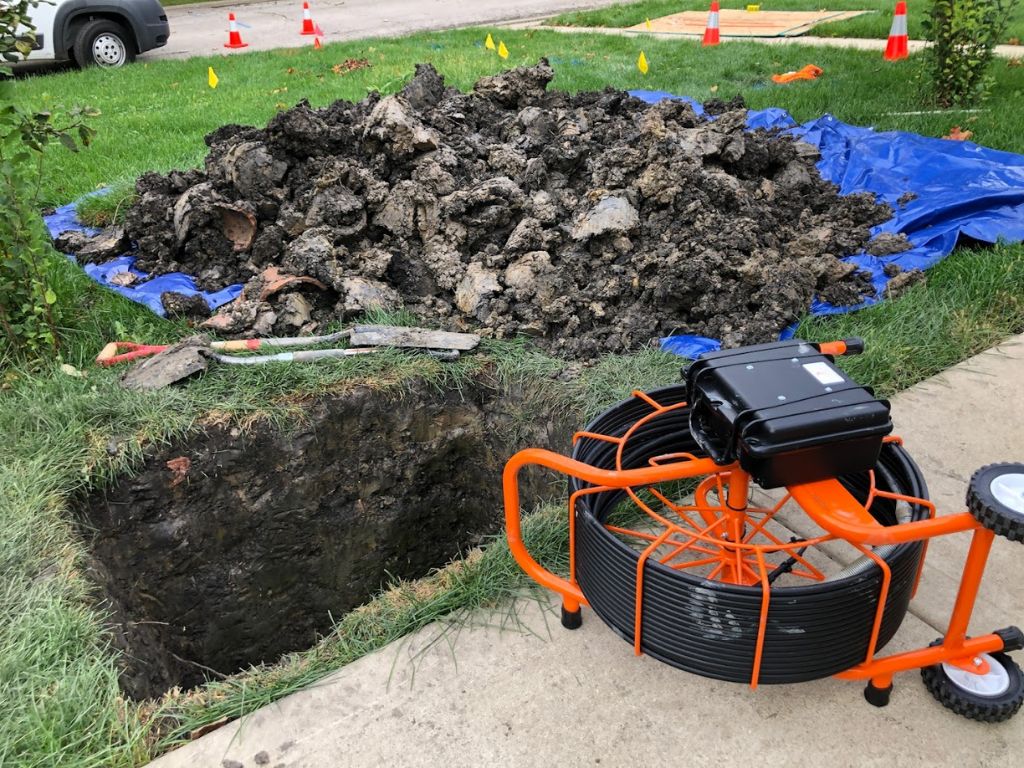
Even if no backup occurs, flooding can still damage sewer lines. Video camera sewer inspections help identify problems before they cause visible damage. Inspections reveal:
- Hidden cracks or collapses
- Root intrusion points
- Areas weakened by soil movement
This information allows targeted repair before the next storm hits.
Heavy Rain and Sewer Line Replacement
Repeated flooding-related failures often signal that a sewer line has reached the end of its service life. Sewer line replacement may be recommended when:
- Repairs become frequent
- Pipes collapse or deform
- Backups occur after every storm
Replacement provides long-term reliability and reduces emergency plumbing calls.
Protecting Your Property During Chicago Storms
Heavy rain and flooding are unavoidable in Chicago, but sewer disasters don’t have to be. Understanding how storms affect your sewer line helps you take action before damage occurs. Chicago Sewer and Drain provides professional drain cleaning, hydro jetting, sewer line repair, sump pump repair and installation, and emergency plumbing services throughout Chicago, IL.
Don’t Let Heavy Rain Turn Into a Sewer Emergency
If your drains slow down or back up after storms, your sewer line may already be under stress. Addressing the issue early can prevent flooding, health hazards, and costly repairs.Contact us today to schedule a sewer inspection or preventive service. Our experienced plumbers will help you protect your home or business from the damaging effects of heavy rain and flooding—before the next storm arrives.