Is a Slow Drain an Emergency? When to Call a Plumber
A slow drain is one of the most common plumbing issues property owners experience. Water that lingers in sinks, tubs, or floor drains can seem like a minor inconvenience—until it suddenly turns into a backup or overflow. In a city like Chicago, IL, where aging sewer lines, heavy rainfall, and tree root intrusion are common, even a small drainage issue can escalate quickly. Is a slow drain an emergency? When to call a plumber is a question many homeowners and business owners find themselves asking when early warning signs start to appear. Understanding when a slow drain is simply a maintenance issue—and when it requires professional or emergency plumbing services—can help you prevent costly damage, health risks, and unexpected disruptions.
What Causes a Slow Drain?
Slow drains usually develop gradually as debris builds up inside the pipes. The specific cause often depends on the location and age of the plumbing system. Common causes include:
- Grease, soap residue, and food waste buildup
- Hair and personal care product accumulation
- Mineral scaling inside older pipes
- Partial blockages deeper in the sewer line
- Tree root intrusion in underground sewer pipes
In many cases, professional drain cleaning services can restore proper flow before the problem escalates.
When a Slow Drain Is NOT an Emergency
Not every slow drain requires immediate emergency plumbing. If the issue is isolated and manageable, scheduling service during normal business hours is often sufficient. A slow drain is usually not an emergency if:
- Only one fixture is affected
- Water still drains, just more slowly
- There are no foul odors or gurgling sounds
- No water is backing up into other drains
In these situations, routine drain cleaning or hydro jetting drain cleaning can typically resolve the issue safely and effectively.
Signs a Slow Drain Is Becoming Serious
While some slow drains remain minor, others are early warning signs of bigger plumbing problems. Recognizing these red flags can prevent emergency sewer repair later. Warning signs include:
- Multiple drains slowing down at the same time
- Gurgling noises from toilets or sinks
- Sewage odors coming from drains
- Water backing up when another fixture is used
When several fixtures are affected, the issue is often located in the main sewer line rather than a single drain.
When a Slow Drain Becomes an Emergency
A slow drain becomes an emergency when it threatens property damage, health, or system integrity. At this point, calling an emergency plumber is the safest option. You should call for emergency plumbing services if:
- Water is backing up into sinks, tubs, or floor drains
- Sewage is entering the home or building
- Drains stop flowing entirely
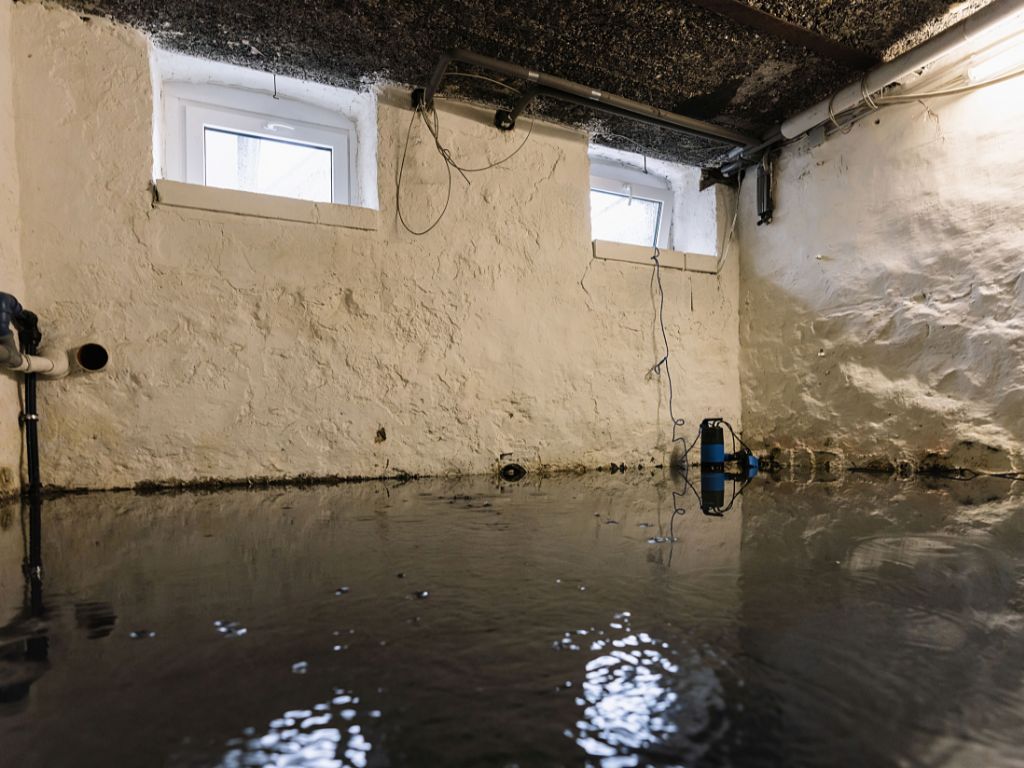
- Basement drains are backing up
- The issue worsens rapidly after heavy rain
These situations often require immediate professional intervention to prevent flooding and contamination.
Basement Drains and Lower-Level Risks
In many Chicago properties, slow drains first appear in basements. Floor drains may drain slowly before backing up completely, especially during storms. This often indicates:
- A restricted sewer line
- Overloaded municipal sewer systems
- Issues with sump pumps and ejector pumps
If basement drains are slow or backing up, sump pump repair or evaluation of ejector pump systems may be required alongside sewer line repair.
Slow Drains After Heavy Rain
Rainfall can turn a slow drain into an emergency very quickly. When municipal sewer systems are overwhelmed, any existing blockage in your sewer line can cause wastewater to back up into the building. If slow drains worsen during or after rain:
- The sewer line may be partially blocked
- Tree roots or debris may be restricting flow
- Emergency sewer repair may be needed
This is a common scenario in Chicago, where older sewer lines are vulnerable to root intrusion and collapse.
Why DIY Fixes Often Make Things Worse
When faced with a slow drain, many property owners try chemical cleaners or plungers. While these methods may offer temporary relief, they rarely address the underlying cause. DIY fixes can:
- Damage aging pipes
- Push blockages further down the line
- Delay necessary professional repairs
Repeated DIY attempts often allow small issues to grow into emergencies requiring more extensive sewer line repair or replacement.
When Drain Cleaning Is the Right Solution
Professional drain cleaning is often the first step when addressing slow drains that are not yet emergencies. Drain cleaning services remove buildup safely without harming pipes. Drain cleaning is effective for:
- Grease and debris accumulation
- Soap and hair buildup
- Minor root intrusion
If the problem is deeper or recurring, advanced methods may be recommended.
How Hydro Jetting Addresses Severe Slow Drains
Hydro jetting plumbing uses high-pressure water to clean the entire interior of the pipe. This method is especially effective for slow drains caused by heavy buildup or roots. Hydro jetting service can:
- Clear grease and sludge
- Remove mineral scaling
- Cut through tree roots
- Restore full pipe diameter
Hydro jetting drain cleaning is often recommended for recurring slow drains or commercial sewer service needs.
When Sewer Line Repair or Replacement Is Needed
If slow drains return quickly after cleaning, the issue may be structural rather than buildup-related. In these cases, sewer line repair or sewer line replacement may be required. Signs structural work is needed include:
- Frequent backups despite cleaning
- Cracked or collapsed pipes
- Severe root damage
- Corroded or deteriorated sewer lines
Professional inspection determines whether repair or full replacement is the safest long-term solution.
Commercial Properties and Slow Drains
For businesses, slow drains can disrupt operations and lead to compliance issues. Restaurants, apartment buildings, and retail spaces often experience higher usage, making slow drains more urgent. Commercial plumber near me searches often spike when:
- Multiple units experience slow drainage
- Restrooms become unusable
- Health or safety concerns arise
Routine commercial sewer service helps prevent slow drains from becoming emergencies.
Preventing Slow Drains From Becoming Emergencies
The best way to avoid emergency plumbing calls is proactive maintenance. Regular service keeps pipes clear and identifies issues early. Preventive steps include:
- Scheduled drain cleaning
- Periodic hydro jetting for older systems
- Sewer line inspections
- Sump pump maintenance and testing
Preventive care is far less disruptive and expensive than emergency sewer repair.
When to Call a Plumber vs. an Emergency Plumber
Understanding who to call—and when—can save time and money. Call a plumber during normal hours if:
- One drain is slow
- No backups are present
- The issue is stable
Call an emergency plumber if:
- Sewage is backing up
- Multiple drains are affected
- Water damage is occurring
- The situation is rapidly worsening
When in doubt, it’s better to act early.
Protecting Your Property in Chicago, IL
Slow drains are easy to ignore, but in Chicago’s aging infrastructure, they often signal deeper sewer problems. Addressing them promptly protects your property and reduces the risk of major damage. Chicago Sewer and Drain provides professional drain cleaning, hydro jetting, sewer line repair, sump pump installation and repair, and emergency plumbing services throughout Chicago, IL.
Don’t Wait Until a Slow Drain Becomes an Emergency
A slow drain may not feel urgent—but it can quickly turn into a serious plumbing emergency if left unchecked. Early professional evaluation helps prevent backups, water damage, and costly repairs. If you’re dealing with slow drains and aren’t sure whether it’s an emergency, contact Chicago Sewer and Drain today. Our experienced plumbers will assess the situation, recommend the right solution, and help you protect your home or business before a minor issue becomes a major problem.