Winter Sewer Problems and How to Prevent Frozen or Broken Pipes
Cold Chicago winters place unique stress on plumbing and sewer systems. Freezing temperatures, snowmelt, and aging underground infrastructure all increase the risk of sewer problems during the winter months. Winter sewer problems and how to prevent frozen or broken pipes is a concern many homeowners and business owners face as temperatures drop and plumbing systems are pushed to their limits. Understanding why winter sewer issues happen—and how to prevent them—can help you avoid costly damage, emergency plumbing calls, and unexpected disruptions during the coldest time of year.
Why Winter Is Hard on Sewer and Plumbing Systems
Unlike warmer seasons, winter introduces freezing conditions that directly affect pipes both inside and outside your property. When temperatures fall below freezing, water inside pipes can expand, creating pressure that leads to cracks or complete pipe failure. In Chicago, winter sewer problems are often caused by:
- Prolonged freezing temperatures
- Aging sewer lines made from clay or cast iron
- Shallow or poorly insulated pipes
- Snow and ice blocking sewer access points
- Increased water use during cold snaps
These factors make winter one of the most dangerous seasons for plumbing failures.
How Frozen Pipes Lead to Sewer Problems
Frozen pipes don’t just affect water supply lines—they can also impact sewer lines. When wastewater cannot flow freely due to ice buildup, pressure increases throughout the system. This can result in:
- Slow drains throughout the property
- Sewer backups into basements or floor drains
- Cracked or burst sewer pipes
- Emergency sewer repair situations
Once pipes freeze, damage often occurs before the problem is noticed.
Common Signs of Winter Sewer Trouble
Winter sewer issues often start subtly before turning into emergencies. Recognizing early warning signs can prevent major damage. Watch for:
- Slow drains during cold weather
- Gurgling sounds from sinks or toilets
- Sewer odors indoors
- Water backing up in basement drains
- Drains that worsen after snowfall or deep freezes
These signs often indicate restricted flow or freezing within the sewer system.
Why Older Pipes Are More Vulnerable in Winter
Many Chicago properties rely on older sewer systems that were installed decades ago. Clay, cast iron, and early metal pipes are particularly vulnerable to winter damage. Older pipes may:
- Crack under freeze-thaw pressure
- Allow groundwater intrusion that freezes inside the line
- Be more susceptible to root intrusion that traps ice
For properties with aging infrastructure, winter greatly increases the likelihood of sewer line repair or replacement.
How Snow and Ice Contribute to Sewer Backups
Heavy snow and ice don’t just affect sidewalks—they also impact sewer systems. Snowmelt can overload municipal sewer lines, especially if private sewer lines are already restricted. This can cause:
- Backups during thaws
- Increased pressure on frozen sections
- Water entering through floor drains
If sewer problems worsen after snowstorms, emergency plumbing services may be required.
Basement Drains and Winter Risks
Basements are often the first place winter sewer problems appear. Floor drains may back up when sewer lines are frozen or restricted. These situations are commonly linked to:
- Frozen sewer laterals
- Blocked or overwhelmed municipal systems
- Failing sump pumps or ejector pumps
If your basement drains slowly or backs up during winter, sump pump repair or ejector pump inspection may be necessary alongside sewer service.
Preventing Frozen Sewer and Drain Pipes
Prevention is the most effective way to avoid winter sewer emergencies. A few proactive steps can significantly reduce risk.
Schedule Professional Drain Cleaning Before Winter
Professional drain cleaning services remove grease, debris, and buildup that can trap water and freeze inside pipes. Clear pipes are far less likely to freeze.
Use Hydro Jetting for Older Systems
Hydro jetting drain cleaning uses high-pressure water to clean the full interior of pipes, removing residue that promotes freezing. Hydro jetting plumbing is especially effective for older sewer lines.
Insulate Exposed Pipes
Pipes in crawl spaces, basements, or exterior walls should be properly insulated to protect against freezing temperatures.
Keep Water Moving During Extreme Cold
During extreme cold, allowing a slow trickle of water can prevent pipes from freezing by keeping water moving through the system.
The Role of Sewer Line Repair in Winter Prevention
If inspections reveal cracks, dips, or structural weaknesses, sewer line repair may be necessary before winter damage occurs. Damaged pipes allow water infiltration, which freezes and worsens existing problems. Timely sewer line repair:
- Prevents freeze-related expansion
- Reduces risk of sudden failure
- Improves winter performance
Ignoring known sewer issues before winter often leads to emergency sewer repair when temperatures drop.
When Sewer Line Replacement Is the Best Option
In some cases, repeated winter problems indicate that the sewer line has reached the end of its service life. Sewer line replacement may be the most reliable long-term solution. Replacement is often recommended when:
- Pipes repeatedly freeze or crack
- Repairs become frequent and costly
- Structural damage is widespread
A professional evaluation helps determine whether repair or replacement is the safest option.
Commercial Properties Face Higher Winter Risk
Businesses and multi-unit buildings often place greater demand on sewer systems. During winter, this increases the risk of freezing and backups. Commercial sewer service is especially important for:
- Apartment buildings
- Restaurants
- Retail and office spaces
Routine winter preparation reduces downtime and prevents disruptions that affect tenants and customers.
What to Do If You Suspect Frozen Pipes
If you believe pipes are frozen, acting quickly can limit damage. Steps to take:
- Stop using water immediately
- Check visible pipes for frost or bulging
- Avoid using open flames or heaters on pipes
- Call a professional plumber
Attempting DIY fixes can worsen damage and increase repair costs.
When Winter Sewer Problems Become Emergencies
Some winter sewer issues require immediate professional help. Call an emergency plumber if:
- Sewage is backing up into the building
- Pipes have burst or cracked
- Basement flooding occurs
- Multiple drains stop working
Emergency plumbing services are designed to respond quickly and minimize damage during winter failures.
Preventive Maintenance Saves Money
Most winter sewer emergencies are preventable with proactive maintenance. Scheduling service before cold weather sets in is far less expensive than dealing with frozen or broken pipes. Preventive services include:
- Drain cleaning
- Hydro jetting service
- Sewer inspections
- Sump pump and ejector pump maintenance
Preparation is the key to avoiding winter disasters.
Why Professional Inspections Matter Before Winter
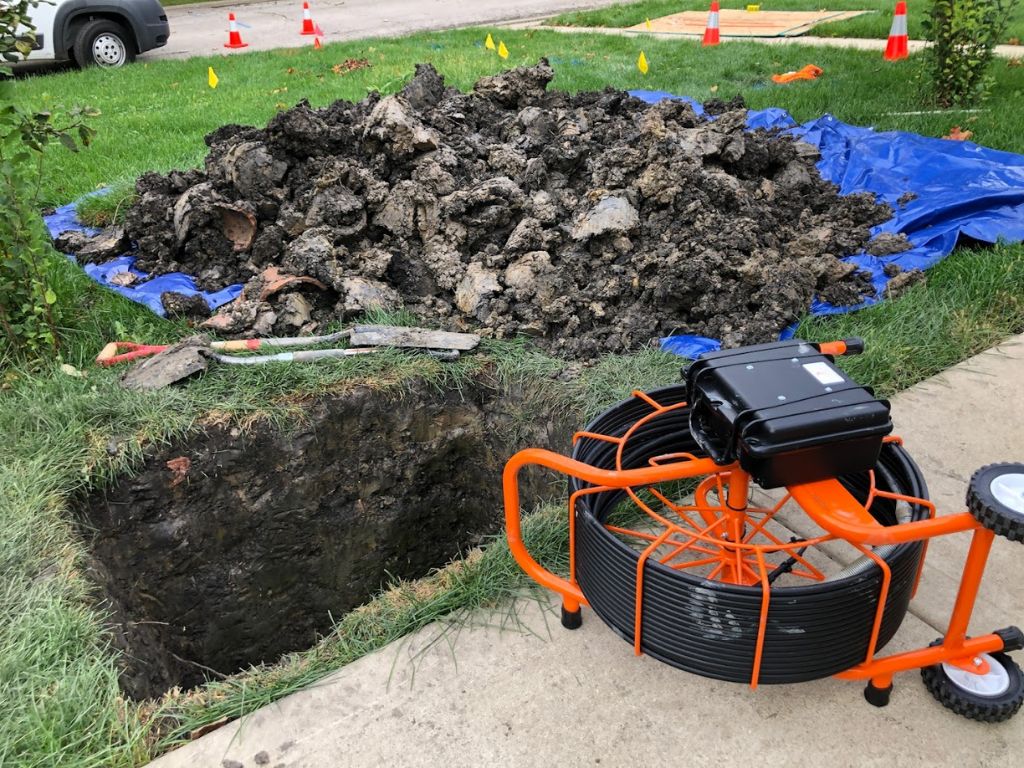
Video camera sewer inspections help identify vulnerabilities before freezing temperatures arrive. Inspections reveal:
- Pipe material and condition
- Areas prone to freezing
- Existing cracks or blockages
This information allows targeted prevention rather than reactive emergency repairs.
Protecting Your Property Through Chicago Winters
Winter sewer problems can cause severe damage, but they don’t have to. Understanding the risks and taking action early helps protect your plumbing system, property, and peace of mind.
Chicago Sewer and Drain provides drain cleaning, hydro jetting, sewer line repair, sump pump repair and installation, and emergency plumbing services throughout Chicago, IL.
Don’t Let Winter Sewer Problems Catch You Off Guard
Frozen or broken sewer pipes can turn winter into a costly nightmare. Addressing issues before freezing temperatures arrive is the smartest way to protect your home or business. If you’re concerned about winter sewer problems or want to prepare your plumbing system for cold weather, contact Chicago Sewer and Drain today. Our experienced team will assess your system, recommend preventive solutions, and help you avoid frozen pipes, sewer backups, and emergency repairs this winter.